Tag Archive for: wool fibre quality

Great wool doesn’t come from luck. It’s the result of thoughtful choices, season after season. At Lana Trading, we’ve worked with growers across Australia, and we’ve seen firsthand the care that goes into producing quality wool.

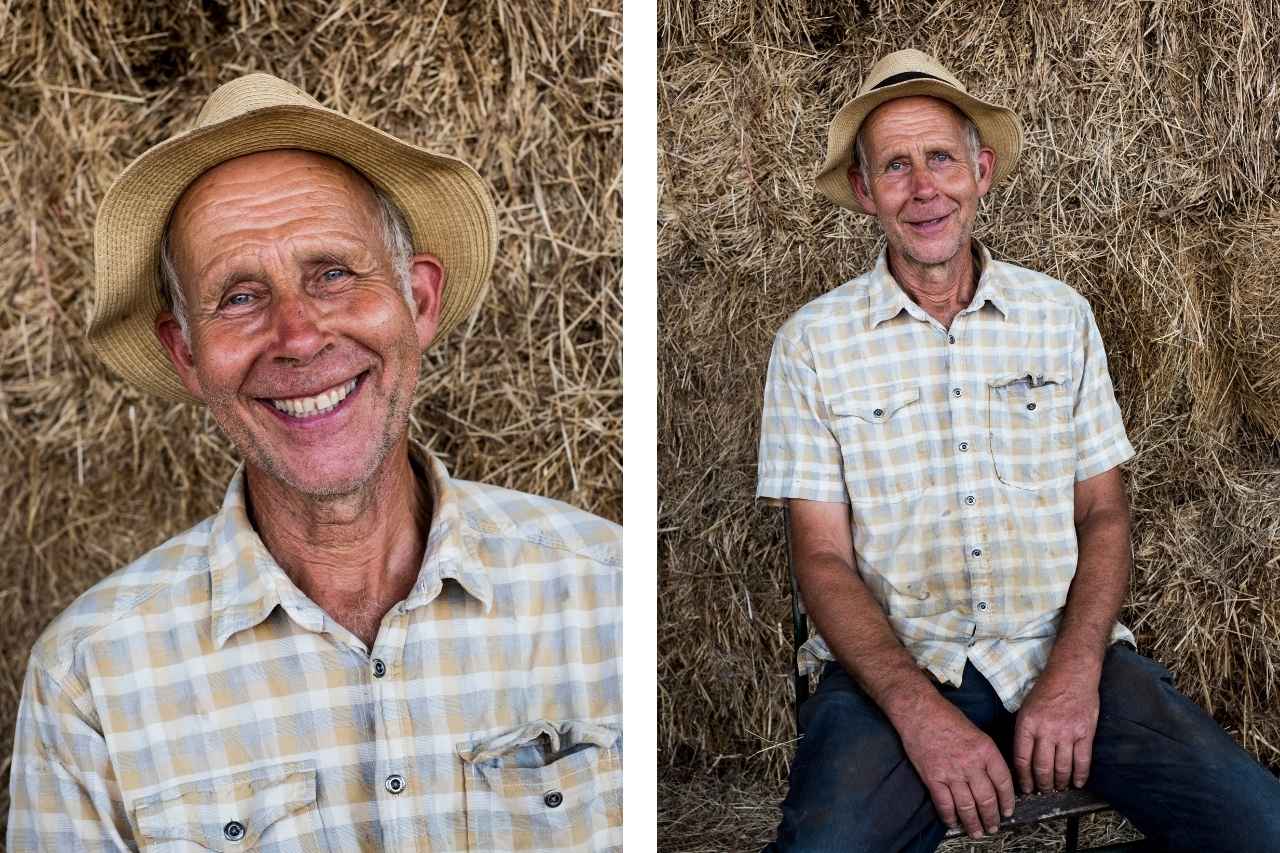
To bring these insights to life, we sat down with one of our long-time growers, Graham, who runs a mixed grazing property in Victoria. He’s been raising sheep for over 25 years, and his wool consistently meets the high standards sought by mills and brands.

Here’s what Graham, and many like him, say makes great wool.

Fibre Quality Starts on the Farm

The right traits make all the difference.

“We keep an eye on crimp, staple strength, and uniformity. That’s what processors look for, and it’s what helps our wool stand out.”

Fibre diameter (micron) is important, but it’s not the only factor. Crimp adds softness and elasticity. Staple strength reduces breakage during processing. Consistency across the fleece ensures better yields for the buyer. These aren’t just buzzwords, they’re markers of good breeding, good nutrition, and careful animal management.

Genetics, Feed and Stress Management

Healthier sheep mean better wool.

“If the sheep are stressed or not getting the right nutrition, it shows in the wool. You’ll see it in the breaks and the variation.”

Good pasture management, supplementary feed when needed, and keeping an eye on animal health all contribute to fleece quality. Regular monitoring of condition scores helps ensure sheep are not over- or under-fed, and reduces seasonal stress that can compromise fibre strength.

Animal Welfare and Certification

More buyers are asking questions.

“We moved away from mulesing a few years back,” Graham shares. “At first, I was sceptical, but the market told us loud and clear that it matters.”

With growing interest in traceable and ethical wool, many growers are shifting toward non-mulesed and certified practices. While not every grower makes this choice, those who do often find their wool opens doors to new buyers and long-term relationships. It’s not just about ticking a box, it’s about aligning with what today’s market expects.

What makes great wool? Graham, a wool grower in Victoria, Australia, has the answers - Lana Sustainable Wool Solutions

Graham, a wool grower in Victoria, has been raising sheep on his family farm for over 25 years.

Classing and Consistency

Classing well pays off.

“We make sure our clip tells a clear story,” Graham explains. “Uniform lines, no contamination, and clean documentation. That’s what buyers want.”

Proper classing isn’t just about neat bales, it’s about protecting the value of the wool clip. Classing improves presentation, processing efficiency, and traceability. Graham’s approach includes working closely with his wool classer and maintaining clear records, year after year.

The Role of Feedback Loops

A grower-processor connection makes a difference.

“Knowing where your wool goes and how it performs helps you plan better. You don’t get that in a traditional auction.”

Having access to feedback, whether through mill visits, processor comments, or performance reports, helps growers refine their flock and their shearing strategy. It turns wool-growing into a two-way conversation, rather than a one-way sale.

Preparing for the Future

Wool is still a craft, and it’s evolving.

“I want to leave something solid for my kids. That means staying open to change but sticking to the values that matter.”

Graham sees wool growing as both an art and a business. Markets are shifting, climate conditions are changing, and the next generation of growers need better support and smarter tools. He believes sustainability isn’t just about certifications, it’s about financial resilience, environmental care, and building relationships that last.

At Lana, We See What Goes Into Great Wool

We believe growers like Graham deserve more than a transactional relationship. That’s why we work directly with processors and brands to match Australia’s finest wool with buyers who truly value it.

If you’re a grower looking to build long-term relationships, receive feedback, and get support tailored to your wool and your goals, we’d love to hear from you.
Start the conversation with our team

In the world of wool trading negotiation, getting the best price for your wool clip can often feel like navigating a maze. As a wool grower, you might find yourself wondering how to secure a deal that reflects the true value of your hard work. The traditional auction system, while familiar, often leaves growers with less than they deserve. But fear not, there are strategies and insights that can help you turn the tables in your favour. For a deeper understanding of the wool industry, you might find this Wikipedia page on wool helpful.

Understanding the Wool Market Dynamics

Before diving into the specifics of wool trading negotiation, it’s crucial to understand the market dynamics. The wool market is influenced by various factors, including global demand, quality of the fibre, and even geopolitical events. As a grower, staying informed about these trends can give you a competitive edge. For instance, did you know that the demand for sustainable and ethically sourced wool is on the rise? This trend can significantly impact the value of your wool clip.

Preparing for Successful Negotiations

Preparation is key in any negotiation, and wool trading is no exception. Here are some practical tips to ensure you’re ready to negotiate effectively:

  • Know Your Product: Understand the quality and characteristics of your wool. Is it fine or coarse? What is its staple length and strength? These factors can influence its market value.
  • Research Market Prices: Keep an eye on current market prices and trends. This knowledge will empower you to set realistic expectations and avoid underselling your wool.
  • Build Relationships: Establishing strong relationships with buyers and brokers can open doors to better deals. Trust and transparency are invaluable in this industry.

The Role of a Wool Broker

Ever wondered how a wool broker can assist you in wool trading negotiation? A seasoned broker, like Lana, acts as a bridge between you and the buyers, leveraging their expertise to secure the best possible deal. Here’s how they can help:

  • Market Insight: Brokers have their fingers on the pulse of the market. They can provide valuable insights into current trends and buyer preferences.
  • Negotiation Skills: With years of experience, brokers are skilled negotiators. They know how to present your wool in the best light and negotiate terms that benefit you.
  • Access to Buyers: Brokers have established networks of buyers, giving your wool exposure to a broader market.

Practical Tips from a Seasoned Broker

One of the biggest mistakes we see growers make is not knowing the true value of their wool. I always advise my clients to invest in proper testing and certification. It might seem like an extra cost at first, but it pays off in the long run.

Great communication is also key to successful negotiations. Keep the lines open with your broker. Share your goals and concerns. The more we know, the better we can represent you.

Building Long-Term Partnerships

In the wool industry, long-term partnerships can be more valuable than one-off transactions. By fostering relationships with buyers and brokers, you create a network of trust and reliability. This network can lead to consistent demand for your wool, even in fluctuating markets.

Embracing Sustainability

Sustainability isn’t just a buzzword; it’s a growing demand in the wool industry. Consumers and brands are increasingly seeking wool that is ethically sourced and environmentally friendly. By adopting sustainable practices, you not only contribute to a better planet but also enhance the marketability of your wool.

Lana Offers a Better Future For Your Wool

Navigating the world of wool trading negotiation doesn’t have to be daunting. With the right knowledge, preparation, and partnerships, you can secure deals that truly reflect the value of your wool. Remember, you’re not alone in this journey. A trusted broker can be your greatest ally, guiding you through the complexities of the market.

Ready to take the next step? Let’s have a yarn about how we can help you achieve your wool trading goals. Contact us today.

David Mahilraj
Let's Chat!
Online