Tag Archive for: ethical wool sourcing

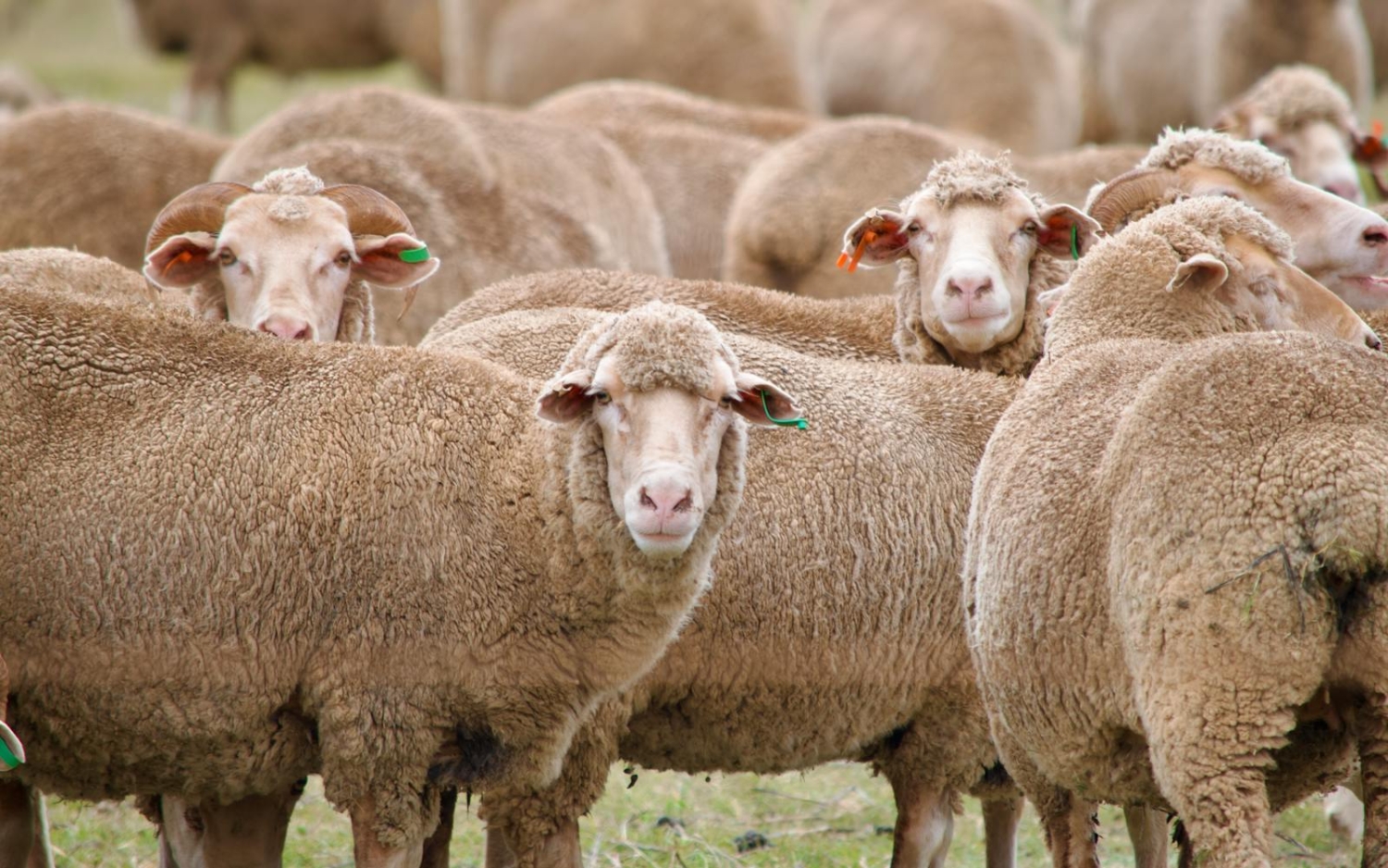
From the rolling hills of Australia to the bustling fashion capitals of the world, the journey of sustainable Merino wool is a testament to nature’s brilliance and human ingenuity. This remarkable fibre, known for its unparalleled quality and eco-friendly credentials, begins its journey on regenerative Australian farms. Here, the focus is on sustainable practices that respect the land and the animals that call it home.

The Heart of Sustainability: Regenerative Farming

Regenerative farming is at the core of producing sustainable Merino wool. But what does this mean for you, the wool grower or ethical brand? It means healthier soils, increased biodiversity, and a reduced carbon footprint. Farmers employ techniques like rotational grazing and cover cropping to ensure the land remains fertile and productive. This approach not only benefits the environment but also enhances the quality of the wool. Ever wondered why Merino wool feels so luxurious? It’s all in the care taken from the very start.

Animal Welfare: More Than Just a Buzzword

Animal welfare is a critical component of sustainable Merino wool production. Sheep are treated with the utmost care, ensuring they live stress-free lives. This commitment to animal welfare is not just ethical; it directly impacts the quality of the wool. Happy, healthy sheep produce finer, softer wool. For you, this means a product that not only feels good but also aligns with your values. After all, who doesn’t want to support a process that’s kind to animals?

Eco-Friendly Processing: From Farm to Fabric

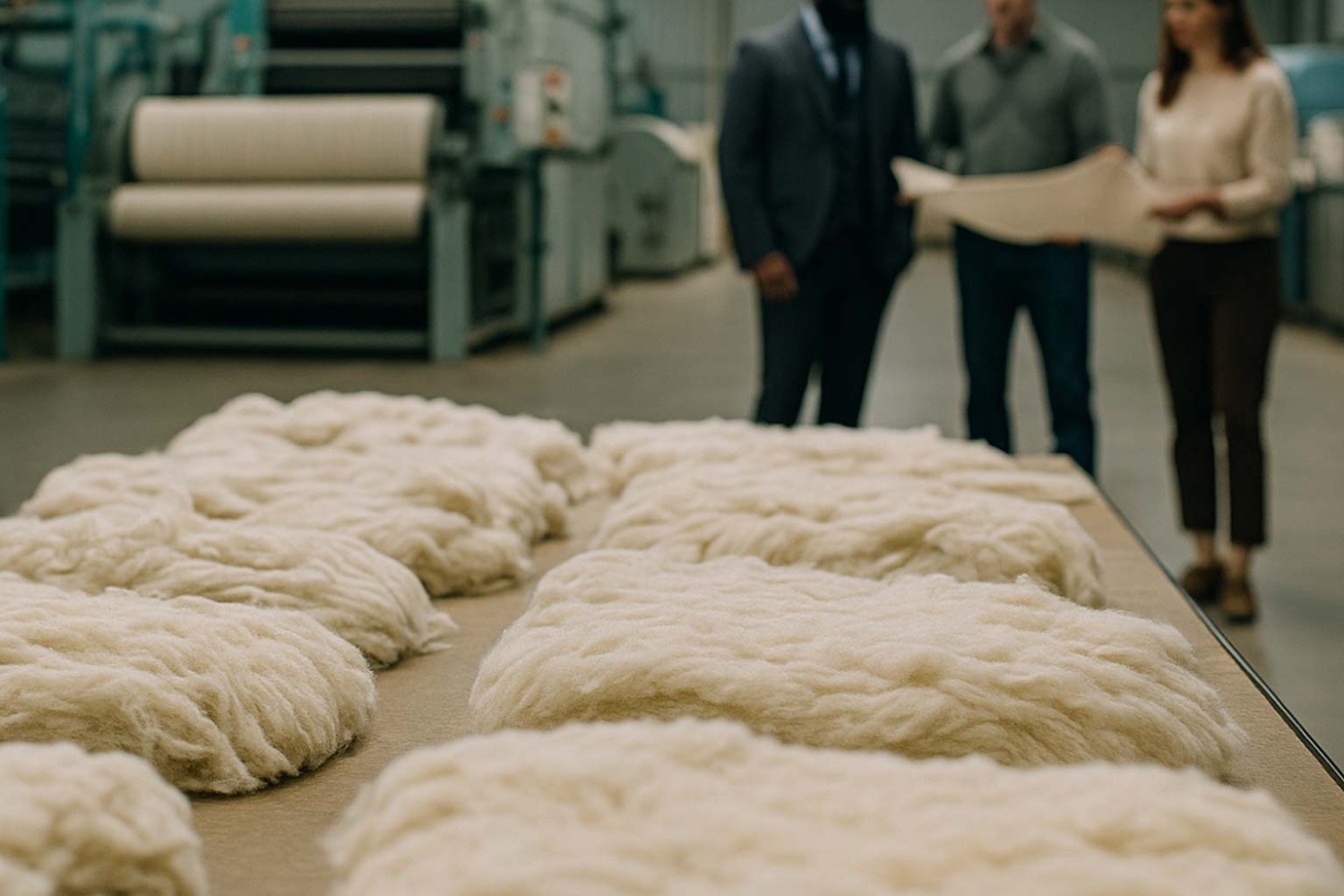
Once the wool leaves the farm, it undergoes a transformation through eco-friendly processing techniques. This stage is crucial in maintaining the fibre’s sustainability credentials. Traditional methods are eschewed in favour of processes that minimise water usage and eliminate harmful chemicals. The result? A fabric that’s as gentle on the planet as it is on your skin. For those interested in the technical side, the International Wool Textile Organisation provides detailed insights into these innovative processes.

The Final Product: Style Meets Sustainability

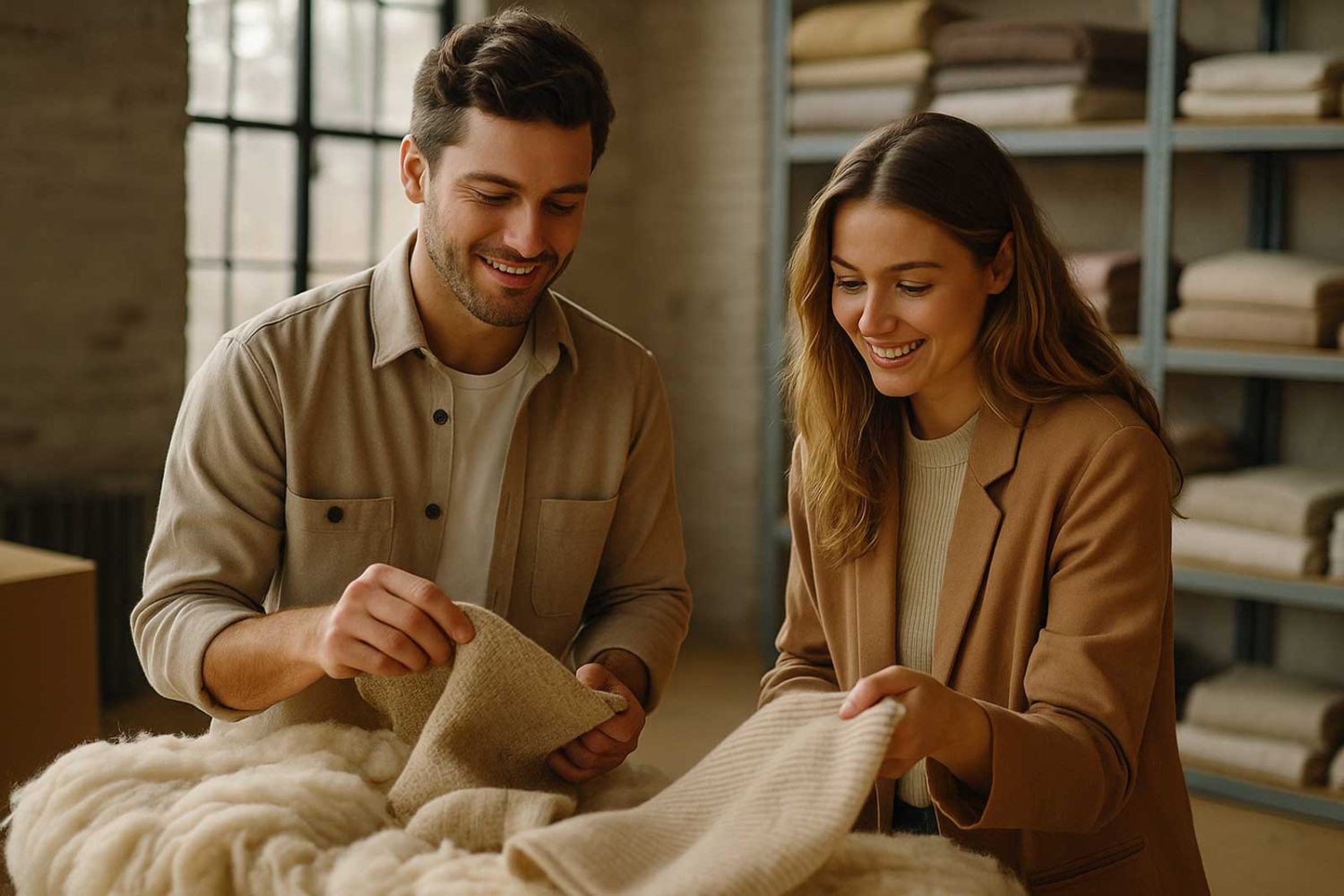
When sustainable Merino wool finally reaches the hands of designers and brands, it becomes the foundation for garments that are both stylish and sustainable. This natural fibre offers unparalleled comfort and breathability, making it a favourite among ethical brands. Whether it’s a cosy jumper or a sleek suit, Merino wool garments are designed to last, reducing the need for frequent replacements. This longevity is a win for both your wardrobe and the environment.

Why Choose Sustainable Merino Wool?

So, why should you, as a wool processor or brand, choose sustainable Merino wool? The reasons are as varied as they are compelling. Firstly, it supports a transparent and ethical supply chain, something increasingly valued by consumers. Secondly, it offers a superior product that stands out in a crowded market. And finally, it aligns with a growing global movement towards sustainability and environmental responsibility. Isn’t it time you joined this movement?

Let’s Have a Yarn

Ready to explore the possibilities of sustainable Merino wool for your business? At Lana, we specialise in bringing high-quality, sustainable wool to the world. Whether you’re looking to source high-quality fibre or partner with a trusted leader in the field, we’re here to help. Let’s have a yarn and see how we can work together to create something truly special.
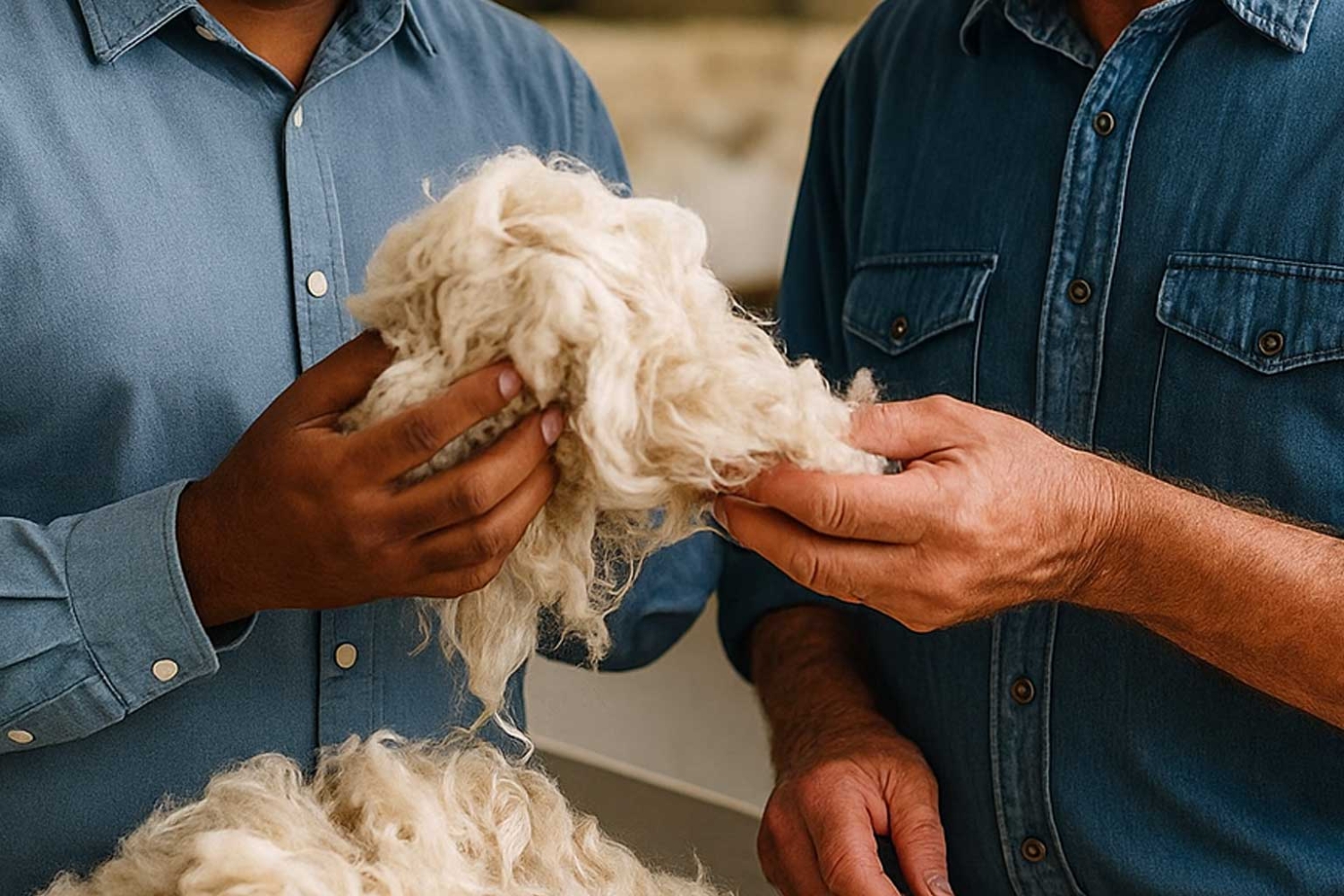
When you hear the term “ethical wool,” what comes to mind? For many, it might sound like just another marketing buzzword. However, ethical wool is much more than a catchy phrase. It’s a commitment to sustainable practices, animal welfare, and community support. But what does it really mean to source ethical wool from Australian wool growers? In this article, we will unravel this concept together.

Understanding Ethical Wool

Ethical wool is about ensuring that the wool you use or produce adheres to high standards of sustainability and animal welfare. It’s not just about the end product but the entire process—from the way sheep are treated to how the land is managed. This holistic approach ensures that every step respects both the environment and the animals involved.

The Importance of Certifications

Certifications play a crucial role in verifying the ethical standards of wool. They provide a framework that wool growers and processors must adhere to, ensuring transparency and trust. Some of the most recognised certifications include:

  • Responsible Wool Standard (RWS): This certification ensures that wool comes from farms with a progressive approach to managing their land and a commitment to animal welfare.
  • ZQ Merino Standard: Focused on New Zealand Merino wool, this standard emphasises animal welfare, environmental sustainability, and social responsibility.
  • Global Organic Textile Standard (GOTS): While not exclusive to wool, GOTS ensures that textiles meet organic standards throughout the supply chain.

These certifications are more than just labels; they are a testament to the commitment to ethical practices.

Animal Welfare: More Than Just a Trend

Animal welfare is at the heart of ethical wool production. It’s about ensuring that sheep are treated with respect and care throughout their lives. This includes:

  • Providing adequate space and access to pasture.
  • Ensuring proper nutrition and veterinary care.
  • Avoiding harmful practices like mulesing, which is often a concern in wool production.

When sourcing wool, look for producers who prioritise these aspects. It’s not just about feeling good; it’s about doing good.

Sustainable Farming Practices

Sustainable farming is another pillar of ethical wool. It involves managing land in a way that maintains its health and productivity for future generations. Key practices include:

  • Rotational Grazing: This helps prevent overgrazing and maintains soil health.
  • Biodiversity Conservation: Encouraging a variety of plant and animal life on farms supports ecosystem health.
  • Water Management: Efficient use of water resources is crucial, especially in regions prone to drought.

These practices not only benefit the environment but also enhance the quality of the wool produced.

Debunking Myths About Ethical Wool

There are several myths surrounding ethical wool that need debunking. One common misconception is that ethical wool is always more expensive. While it can be pricier due to the higher standards involved, the long-term benefits—such as improved animal welfare and environmental sustainability—often outweigh the costs.

Another myth is that ethical wool is hard to find. With growing consumer demand, more brands and producers are committing to ethical practices, making it easier than ever to source ethical wool.

What to Look for When Sourcing Ethical Wool

When you’re on the hunt for ethical wool, keep an eye out for:

  • Certifications: As mentioned earlier, certifications like RWS and GOTS are good indicators of ethical practices.
  • Transparency: Look for brands and producers who are open about their sourcing and production processes.
  • Community Engagement: Ethical wool producers often engage with local communities, supporting local economies and fostering sustainable practices.

By prioritising these factors, you can ensure that the wool you choose aligns with your values.

How Verified Standards Protect Animals, Land, and Communities

Verified standards are not just about ticking boxes; they’re about making a real difference. They protect animals by ensuring humane treatment, safeguard land through sustainable farming practices, and support communities by fostering fair trade and economic growth. By choosing wool that meets these standards, you’re contributing to a better world.

So, next time you’re considering wool products, think about the story behind the fibre. Ethical wool is more than just a trend—it’s a movement towards a more sustainable and compassionate future. Want to learn more about how you can make a difference with ethical wool? Let’s have a yarn and explore how Lana can support your journey towards sustainability.

Australia’s merino wool sourcing is gaining traction worldwide, and it’s no wonder why. With its unparalleled quality and sustainability, merino wool from Down Under is a top choice for brands and processors seeking premium fibre. But what makes Australian merino wool so special, and why is it in such high demand? Let’s dive into the world of merino wool sourcing and uncover the secrets behind its growing popularity. For a deeper understanding of merino wool, you might find this Wikipedia page on Merino wool helpful.

The Unique Qualities of Australian Merino Wool

Merino wool is renowned for its softness, breathability, and versatility. But what sets Australian merino wool apart from the rest? It all starts with the sheep. Australia is home to some of the world’s finest merino sheep, bred specifically for their superior wool. These sheep produce a fibre that’s finer and softer than other types of wool, making it ideal for high-end fashion and performance wear.

Moreover, Australian merino wool is incredibly durable and resilient. It can withstand the rigours of everyday wear while maintaining its shape and quality. This makes it a favourite among brands looking for long-lasting, high-quality materials. Have you ever worn a merino wool sweater? If so, you know just how comfortable and luxurious it feels against your skin.

Sustainability: A Key Driver for Merino Wool

In today’s world, sustainability is more than just a buzzword—it’s a necessity. Consumers are increasingly seeking products that are environmentally friendly and ethically produced. This is where Australian merino wool shines. The wool industry in Australia is committed to sustainable practices, ensuring that the wool is sourced responsibly and with minimal impact on the environment.

From regenerative farming techniques to ethical animal welfare practices, Australian wool growers are leading the way in sustainable wool production. This commitment to sustainability not only benefits the environment but also appeals to conscious consumers who value transparency and ethical sourcing. It’s a win-win situation for everyone involved.

The Role of Long-term Partnerships in the Wool Industry

For wool growers, processors, and brands, building long-term partnerships is crucial. These relationships foster trust, transparency, and mutual growth. At Lana, we understand the importance of these partnerships and strive to create lasting connections with our clients and suppliers.

By working closely with wool growers and processors, we ensure that the highest quality merino wool is delivered to our clients. This collaborative approach allows us to maintain a transparent supply chain and provide our customers with the best possible product. After all, isn’t it reassuring to know exactly where your materials come from and how they’re produced?

Challenges and Opportunities in Merino Wool Sourcing

While the demand for merino wool is on the rise, sourcing it comes with its own set of challenges. Climate change, fluctuating market prices, and the need for continuous innovation are just a few of the hurdles the industry faces. However, these challenges also present opportunities for growth and improvement.

By investing in research and development, the wool industry can continue to innovate and adapt to changing market demands. This includes developing new technologies and techniques to improve wool quality and sustainability. For wool growers and processors, staying ahead of the curve is essential to meeting the needs of their clients and consumers.

Why Choose Lana for Your Merino Wool Needs?

At Lana, we believe in the power of Australian merino wool and its potential to transform the textile industry. Our commitment to quality, sustainability, and transparency sets us apart as a trusted leader in merino wool sourcing. We work tirelessly to ensure that our clients receive the finest wool, backed by a transparent and ethical supply chain.

Whether you’re a wool grower, processor, or brand, partnering with Lana means gaining access to high-quality fibre and a team dedicated to your success. So, why not take the next step and explore the possibilities with us? Let’s have a yarn and discuss how we can support your merino wool needs. Contact us today to start a conversation.

Navigating the world of Australian wool market prices can feel like deciphering a complex puzzle. For buyers like mills, processors, and ethical brands, understanding what influences these prices is crucial. The Australian wool industry is renowned for its high-quality fibre, but how do you ensure you’re getting the best value? Let’s dive into the factors affecting wool prices and how you can secure top-quality fibres with the help of an experienced wool broker like Lana. For a broader understanding of the wool industry, you might find this Wikipedia page on wool helpful.

What Influences Australian Wool Market Prices?

The price of wool is influenced by a myriad of factors. Understanding these can help you make informed purchasing decisions.

Supply and Demand Dynamics

Like any commodity, wool prices are heavily influenced by supply and demand. When the demand for wool increases, prices tend to rise. Conversely, if there’s an oversupply, prices may drop. Keeping an eye on market trends and forecasts can help you anticipate price changes.

Quality of Wool

Not all wool is created equal. The quality of wool, determined by factors such as fibre diameter, length, strength, and colour, plays a significant role in pricing. Finer, softer wool typically commands higher prices. Understanding these quality metrics can help you assess whether you’re paying a fair price.

Global Economic Conditions

The global economy can have a ripple effect on wool prices. Economic downturns can lead to reduced demand for luxury goods, including high-quality wool. Conversely, a booming economy might increase demand and drive prices up.

Currency Exchange Rates

Since wool is traded globally, exchange rates can impact prices. A weaker Australian dollar can make wool cheaper for overseas buyers, potentially increasing demand and prices.

Tips for Getting Top Quality Fibres at a Fair Price

Securing high-quality wool at a fair price doesn’t have to be a daunting task. Here are some tips to help you navigate the market effectively.

Work with an Experienced Wool Broker

Partnering with a knowledgeable wool broker like Lana can be a game-changer. Brokers have a deep understanding of the market and can provide valuable insights into pricing trends and quality assessments. They can also help you establish long-term relationships with trusted suppliers.

Stay Informed

Keeping up-to-date with market reports and industry news is essential. Subscribe to industry publications and attend trade shows to stay informed about the latest trends and developments in the wool market.

Understand Your Needs

Clearly define what you’re looking for in terms of wool quality and quantity. This will help you communicate effectively with suppliers and brokers, ensuring you get exactly what you need without overpaying.

Negotiate Wisely

Don’t be afraid to negotiate prices. Understanding the factors that influence wool prices can give you leverage in negotiations. Remember, it’s about finding a fair price that works for both parties.

Build Long-Term Relationships

Establishing long-term partnerships with suppliers and brokers can lead to better pricing and more consistent quality. Trust and transparency are key to these relationships, and they can provide stability in a fluctuating market.

The Role of Sustainability in Wool Pricing

Sustainability is becoming increasingly important in the wool industry. Consumers are demanding more transparency and ethical practices, which can influence wool prices.

Ethical Sourcing

Brands that prioritise ethical sourcing may be willing to pay a premium for wool that is certified as sustainable. This can drive up prices for high-quality, ethically sourced wool.

Environmental Impact

The environmental impact of wool production is under scrutiny. Sustainable practices, such as reducing water usage and minimising chemical inputs, can affect production costs and, consequently, prices.

Consumer Preferences

As consumers become more environmentally conscious, the demand for sustainable wool products is likely to increase. This shift in consumer preferences can influence market dynamics and pricing.

Let’s Have a Yarn

Understanding Australian wool market prices is essential for making informed purchasing decisions. By considering the factors that influence prices and following these tips, you can secure top-quality fibres at a fair price. If you’re ready to explore how Lana can help you navigate the wool market, let’s have a yarn. Our team is here to support you in building sustainable, long-term partnerships in the wool industry.

David Mahilraj
Let's Chat!
Online