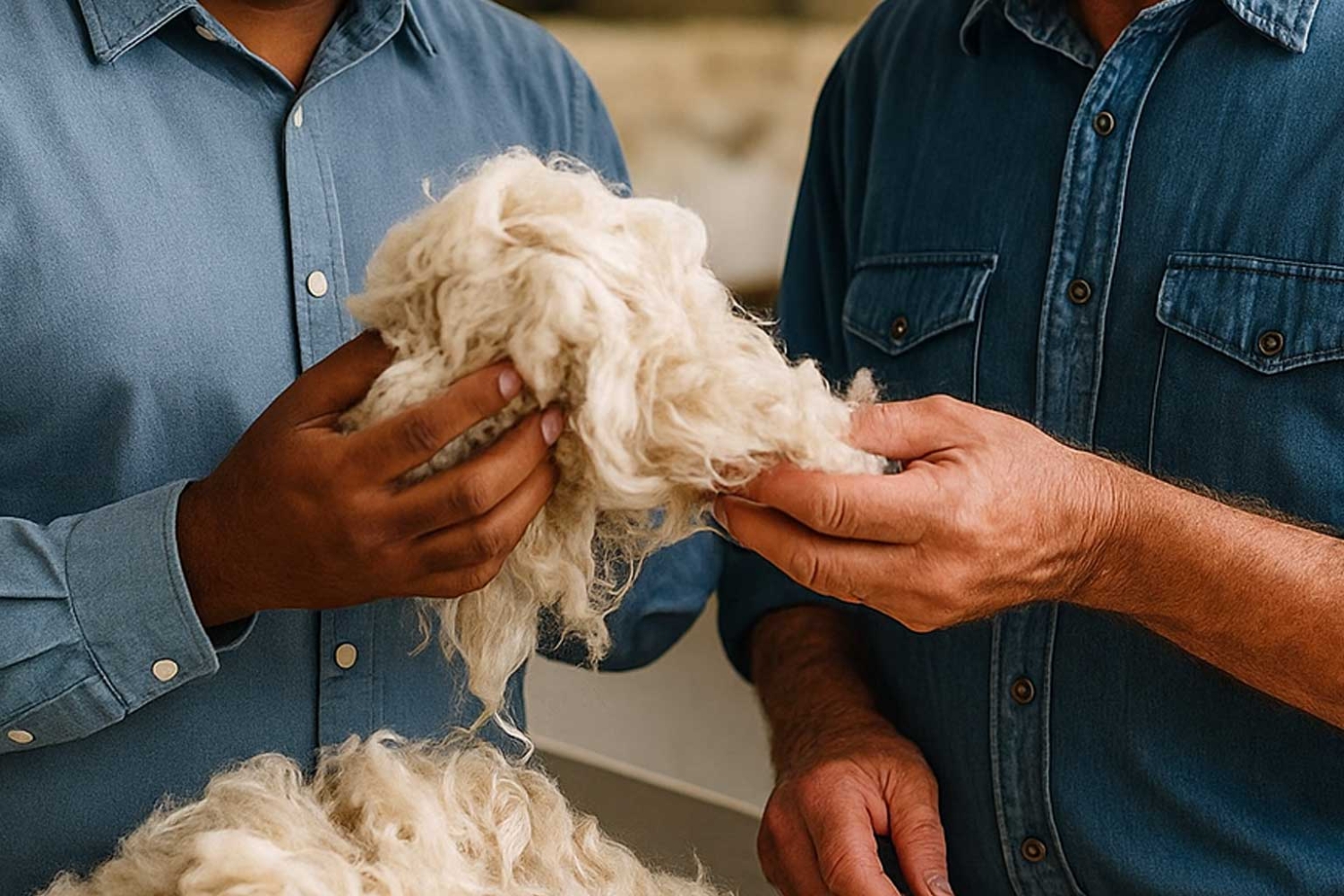
When you hear the term “ethical wool,” what comes to mind? For many, it might sound like just another marketing buzzword. However, ethical wool is much more than a catchy phrase. It’s a commitment to sustainable practices, animal welfare, and community support. But what does it really mean to source ethical wool from Australian wool growers? In this article, we will unravel this concept together.

Understanding Ethical Wool

Ethical wool is about ensuring that the wool you use or produce adheres to high standards of sustainability and animal welfare. It’s not just about the end product but the entire process—from the way sheep are treated to how the land is managed. This holistic approach ensures that every step respects both the environment and the animals involved.

The Importance of Certifications

Certifications play a crucial role in verifying the ethical standards of wool. They provide a framework that wool growers and processors must adhere to, ensuring transparency and trust. Some of the most recognised certifications include:

  • Responsible Wool Standard (RWS): This certification ensures that wool comes from farms with a progressive approach to managing their land and a commitment to animal welfare.
  • ZQ Merino Standard: Focused on New Zealand Merino wool, this standard emphasises animal welfare, environmental sustainability, and social responsibility.
  • Global Organic Textile Standard (GOTS): While not exclusive to wool, GOTS ensures that textiles meet organic standards throughout the supply chain.

These certifications are more than just labels; they are a testament to the commitment to ethical practices.

Animal Welfare: More Than Just a Trend

Animal welfare is at the heart of ethical wool production. It’s about ensuring that sheep are treated with respect and care throughout their lives. This includes:

  • Providing adequate space and access to pasture.
  • Ensuring proper nutrition and veterinary care.
  • Avoiding harmful practices like mulesing, which is often a concern in wool production.

When sourcing wool, look for producers who prioritise these aspects. It’s not just about feeling good; it’s about doing good.

Sustainable Farming Practices

Sustainable farming is another pillar of ethical wool. It involves managing land in a way that maintains its health and productivity for future generations. Key practices include:

  • Rotational Grazing: This helps prevent overgrazing and maintains soil health.
  • Biodiversity Conservation: Encouraging a variety of plant and animal life on farms supports ecosystem health.
  • Water Management: Efficient use of water resources is crucial, especially in regions prone to drought.

These practices not only benefit the environment but also enhance the quality of the wool produced.

Debunking Myths About Ethical Wool

There are several myths surrounding ethical wool that need debunking. One common misconception is that ethical wool is always more expensive. While it can be pricier due to the higher standards involved, the long-term benefits—such as improved animal welfare and environmental sustainability—often outweigh the costs.

Another myth is that ethical wool is hard to find. With growing consumer demand, more brands and producers are committing to ethical practices, making it easier than ever to source ethical wool.

What to Look for When Sourcing Ethical Wool

When you’re on the hunt for ethical wool, keep an eye out for:

  • Certifications: As mentioned earlier, certifications like RWS and GOTS are good indicators of ethical practices.
  • Transparency: Look for brands and producers who are open about their sourcing and production processes.
  • Community Engagement: Ethical wool producers often engage with local communities, supporting local economies and fostering sustainable practices.

By prioritising these factors, you can ensure that the wool you choose aligns with your values.

How Verified Standards Protect Animals, Land, and Communities

Verified standards are not just about ticking boxes; they’re about making a real difference. They protect animals by ensuring humane treatment, safeguard land through sustainable farming practices, and support communities by fostering fair trade and economic growth. By choosing wool that meets these standards, you’re contributing to a better world.

So, next time you’re considering wool products, think about the story behind the fibre. Ethical wool is more than just a trend—it’s a movement towards a more sustainable and compassionate future. Want to learn more about how you can make a difference with ethical wool? Let’s have a yarn and explore how Lana can support your journey towards sustainability.
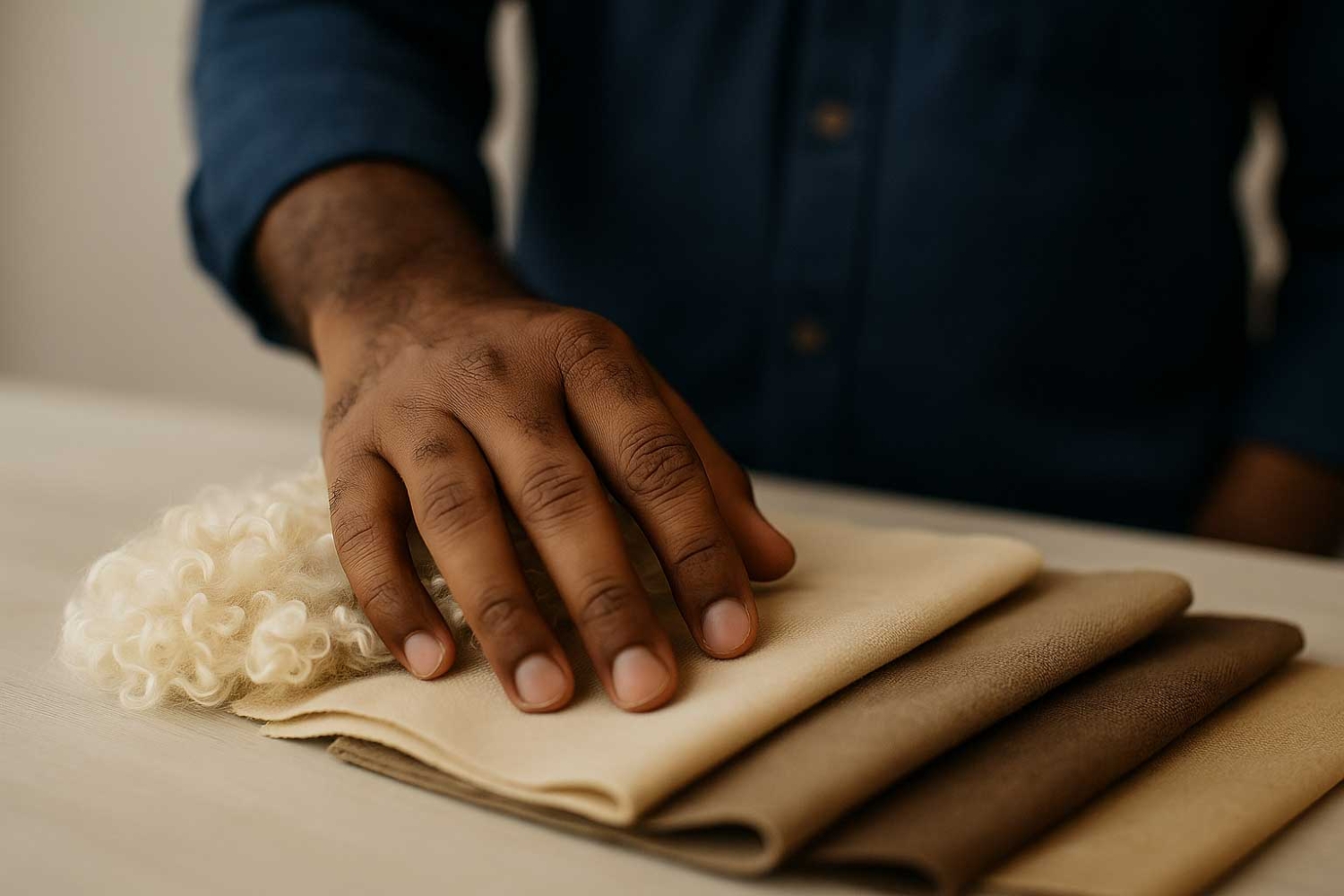
In the world of textiles, sustainable wool is making waves as a champion of eco-friendly fashion. But what does it really mean for you, the Australian wool grower, processor, or brand? Sustainable wool isn’t just a buzzword—it’s a commitment to quality, transparency, and long-term partnerships. As the demand for sustainable practices grows, understanding its impact on your business is crucial. For a deeper dive into sustainable practices, you might find this Wikipedia page on sustainable fashion helpful.

Understanding Sustainable Wool

Sustainable wool is all about responsible production. It involves practices that protect the environment, ensure animal welfare, and support the livelihoods of those in the wool industry. But why should you care? Well, consumers are increasingly looking for products that align with their values. By embracing sustainable wool, you’re not just meeting market demand—you’re also contributing to a healthier planet.

The Benefits of Sustainable Wool for Growers

As a wool grower, you might wonder how sustainable practices can benefit you. Firstly, sustainable wool farming often leads to healthier sheep and better-quality wool. This means higher yields and potentially higher profits. Additionally, sustainable practices can reduce costs in the long run by minimising waste and improving resource efficiency. Ever tried reducing your water usage? It’s a game-changer!

Moreover, by adopting sustainable practices, you position yourself as a leader in the industry. This can open doors to new markets and partnerships with brands that prioritise sustainability. It’s not just about doing good—it’s about doing well, too.

Processors: Enhancing Quality and Efficiency

For wool processors, sustainability means enhancing quality and efficiency. By implementing eco-friendly processes, you can reduce energy consumption and waste. This not only lowers your operational costs but also improves the quality of the wool you produce. And let’s face it, who doesn’t want to save a few dollars while doing their bit for the planet?

Sustainable processing also involves transparency. Consumers want to know where their products come from and how they’re made. By providing clear information about your processes, you build trust with your customers. This transparency can be a powerful marketing tool, setting you apart from competitors.

Brands: Meeting Consumer Demand

If you’re a brand, sustainable wool offers a unique selling point. Today’s consumers are more informed and conscious about their purchases. They want products that are not only high-quality but also ethically produced. By using sustainable wool, you meet this demand head-on.

But it’s not just about meeting demand—it’s about creating a brand story that resonates with your audience. Sharing your commitment to sustainability can foster a deeper connection with your customers. It shows that you care about more than just profits; you care about the planet and the people on it.

Building Long-Term Partnerships

Sustainability isn’t a solo journey—it’s a collaborative effort. By working together, growers, processors, and brands can create a more sustainable wool industry. This means building long-term partnerships based on trust and shared values. And let’s be honest, isn’t it more fun to work with people who share your vision?

These partnerships can lead to innovative solutions and new opportunities. Whether it’s developing new products or exploring new markets, collaboration is key. So, how can you start building these partnerships? It begins with open communication and a commitment to shared goals.

Overcoming Challenges

Of course, transitioning to sustainable practices isn’t without its challenges. It requires investment, both in terms of time and resources. But the benefits far outweigh the costs. By taking the leap, you’re not just future-proofing your business—you’re also contributing to a more sustainable future for everyone.

And remember, you’re not alone. There are plenty of resources and organisations ready to support you on this journey. Whether it’s through funding, training, or networking opportunities, help is available. So, what are you waiting for?

Let’s Have a Yarn

Ready to explore the world of sustainable wool and see how it can transform your business? At Lana, we’re passionate about supporting the wool industry and fostering sustainable practices. Whether you’re a grower, processor, or brand, we’re here to help you navigate the journey towards sustainability. Let’s have a yarn and see how we can work together to create a brighter future for the wool industry.

Forward wool contracts might sound like a complex financial term, but for Australian wool growers and processors, they’re a game-changer. These contracts offer a way to lock in prices and manage risks, ensuring a stable and predictable income. But how exactly do they work, and why should you care? Let’s dive into the world of forward wool contracts and explore their benefits. For a deeper understanding of futures contracts in general, you might find this Wikipedia page on futures contracts helpful.

Understanding Forward Wool Contracts

Forward wool contracts are agreements between a buyer and a seller to exchange wool at a predetermined price at a future date. This arrangement provides price certainty, which is crucial in an industry where market prices can fluctuate wildly. By securing a price in advance, both growers and processors can plan their finances with greater confidence.

Why Forward Wool Contracts Matter

For wool growers, forward contracts offer a safety net against price volatility. Imagine you’re a grower who’s invested time and resources into producing high-quality wool. The last thing you want is to be at the mercy of market swings when it’s time to sell. Forward contracts ensure you get a fair price, regardless of market conditions.

Processors, on the other hand, benefit from a reliable supply of wool. Knowing they have secured a certain quantity at a fixed price allows them to manage their production schedules and costs more effectively. This stability is especially important for brands that pride themselves on quality and consistency.

Benefits of Forward Wool Contracts

  1. Price Certainty: Locking in prices helps both parties avoid the stress of market fluctuations. It’s like having a financial crystal ball that lets you see into the future.
  2. Risk Management: By agreeing on a price beforehand, growers and processors can mitigate the risks associated with unpredictable market changes.
  3. Reliable Supply: For processors, having a guaranteed supply of wool means they can meet production demands without scrambling for resources.
  4. Long-term Partnerships: These contracts often lead to stronger relationships between growers and processors, fostering trust and collaboration.

Setting Clear Terms for Success

When entering into forward wool contracts, clarity is key. Here are some tips to ensure your agreements are beneficial for all parties involved:

  • Define the Quality: Clearly specify the quality of wool expected. This avoids disputes and ensures both parties are on the same page.
  • Set Delivery Dates: Agree on delivery timelines to ensure the wool is available when needed.
  • Outline Payment Terms: Be clear about when and how payments will be made to avoid any financial misunderstandings.
  • Include Contingency Plans: Life is unpredictable. Having a plan for unforeseen circumstances can save both parties a lot of headaches.

Building Long-term, Mutually Beneficial Agreements

Forward wool contracts are more than just financial tools; they’re the foundation for long-lasting partnerships. By working closely with your counterparts, you can build relationships that go beyond transactions. Here’s how:

  • Communicate Regularly: Keep the lines of communication open. Regular updates and check-ins can prevent misunderstandings and build trust.
  • Be Transparent: Honesty is the best policy. Being upfront about any issues or changes can help maintain a strong partnership.
  • Focus on Mutual Benefits: Remember, the goal is a win-win situation. By prioritising the needs of both parties, you can create agreements that are beneficial for everyone involved.

Let’s Have a Yarn

Forward wool contracts are a powerful tool for managing risk and ensuring stability in the wool industry. Whether you’re a grower looking to secure a fair price or a processor needing a reliable supply, these contracts can provide the certainty you need. Ready to explore how forward wool contracts can benefit your business? Let’s have a yarn and see how we can help you build a sustainable, successful future in the wool industry.

A little while back, we had a grower reach out with a beautifully prepared mid-micron clip. Clean, well classed, and full of potential. But they’d had a rough run at auction. No real interest. The wrong buyers in the room, maybe, or just poor timing. Either way, they were ready to try something different.

We made a few calls and matched their wool with a regional processor we knew was working on a new run of fine knitwear. The specs lined up, the delivery made sense, and—most importantly—the people got along. That grower and that processor have now done three seasons together. Quietly. Steadily. Successfully.

It’s not flashy. But it’s the kind of result we’re here for.

Why the Right Match Matters

Wool is not a one-size-fits-all fibre. A great clip in one mill’s eyes might not suit another’s machinery or end product. And the best processor in the country can’t work magic if they’re sent wool that doesn’t suit their spec.

That’s where we come in.

A good match saves time, reduces waste, and makes life easier on both ends. For growers, it means your hard work gets recognised and rewarded. For processors, it means consistency, reliability, and peace of mind.

We’re not chasing big headlines. We’re here to line up good wool with the right hands.

What We Look For (and What We Ask)

To make the right introductions, we need to understand both sides.

For Growers:

We take the time to look at:

  • Micron, length, style, and yield
  • How the wool’s been classed and prepared
  • What sort of volume you’re dealing with
  • Whether you’re open to building longer-term relationships

We’re not here to tell you how to run your farm—but we’ll always be honest about what’s likely to work and what might hold a deal back.

For Processors:

We ask:

  • What are your ideal specs and tolerances?
  • Are you open to direct-from-farm sourcing?
  • What does a reliable supply look like for you?
  • Are you after just a season’s worth, or something ongoing?

We know the mills that want things by the book, and the ones that are a little more flexible. Our job is to connect the dots.

When Things Get Tricky

Matching isn’t always smooth. Sometimes a clip looks right on paper but doesn’t perform. Sometimes freight or timing gets in the way. And sometimes, the personalities just don’t click.

We’ve learned that the best results come when expectations are clear from the start. That’s why we invest time up front, setting honest terms, sharing feedback, and keeping communication open.

It’s not about forcing a deal. It’s about finding one that sticks.

The Long Game

The truth is, the best wool deals aren’t really deals at all. They’re partnerships. They happen quietly, year after year, with a quick phone call and a handshake (or a nod on the back of a ute).

At Lana Trading, we’re proud of the matches we’ve made. Not just because the specs lined up, but because the people on both sides walked away feeling respected and looked after.

That’s what makes a good match. And that’s what keeps us doing what we do.

Got a clip coming up or a spec you’re trying to fill? Let’s have a yarn.

[Contact us] or give us a call — no pressure, just a straight-up conversation.

In the world of wool trading negotiation, getting the best price for your wool clip can often feel like navigating a maze. As a wool grower, you might find yourself wondering how to secure a deal that reflects the true value of your hard work. The traditional auction system, while familiar, often leaves growers with less than they deserve. But fear not, there are strategies and insights that can help you turn the tables in your favour. For a deeper understanding of the wool industry, you might find this Wikipedia page on wool helpful.

Understanding the Wool Market Dynamics

Before diving into the specifics of wool trading negotiation, it’s crucial to understand the market dynamics. The wool market is influenced by various factors, including global demand, quality of the fibre, and even geopolitical events. As a grower, staying informed about these trends can give you a competitive edge. For instance, did you know that the demand for sustainable and ethically sourced wool is on the rise? This trend can significantly impact the value of your wool clip.

Preparing for Successful Negotiations

Preparation is key in any negotiation, and wool trading is no exception. Here are some practical tips to ensure you’re ready to negotiate effectively:

  • Know Your Product: Understand the quality and characteristics of your wool. Is it fine or coarse? What is its staple length and strength? These factors can influence its market value.
  • Research Market Prices: Keep an eye on current market prices and trends. This knowledge will empower you to set realistic expectations and avoid underselling your wool.
  • Build Relationships: Establishing strong relationships with buyers and brokers can open doors to better deals. Trust and transparency are invaluable in this industry.

The Role of a Wool Broker

Ever wondered how a wool broker can assist you in wool trading negotiation? A seasoned broker, like Lana, acts as a bridge between you and the buyers, leveraging their expertise to secure the best possible deal. Here’s how they can help:

  • Market Insight: Brokers have their fingers on the pulse of the market. They can provide valuable insights into current trends and buyer preferences.
  • Negotiation Skills: With years of experience, brokers are skilled negotiators. They know how to present your wool in the best light and negotiate terms that benefit you.
  • Access to Buyers: Brokers have established networks of buyers, giving your wool exposure to a broader market.

Practical Tips from a Seasoned Broker

One of the biggest mistakes we see growers make is not knowing the true value of their wool. I always advise my clients to invest in proper testing and certification. It might seem like an extra cost at first, but it pays off in the long run.

Great communication is also key to successful negotiations. Keep the lines open with your broker. Share your goals and concerns. The more we know, the better we can represent you.

Building Long-Term Partnerships

In the wool industry, long-term partnerships can be more valuable than one-off transactions. By fostering relationships with buyers and brokers, you create a network of trust and reliability. This network can lead to consistent demand for your wool, even in fluctuating markets.

Embracing Sustainability

Sustainability isn’t just a buzzword; it’s a growing demand in the wool industry. Consumers and brands are increasingly seeking wool that is ethically sourced and environmentally friendly. By adopting sustainable practices, you not only contribute to a better planet but also enhance the marketability of your wool.

Lana Offers a Better Future For Your Wool

Navigating the world of wool trading negotiation doesn’t have to be daunting. With the right knowledge, preparation, and partnerships, you can secure deals that truly reflect the value of your wool. Remember, you’re not alone in this journey. A trusted broker can be your greatest ally, guiding you through the complexities of the market.

Ready to take the next step? Let’s have a yarn about how we can help you achieve your wool trading goals. Contact us today.

Preparing your wool clip for market is no small feat. It requires attention to detail, a keen understanding of industry standards, and a commitment to quality. In this wool clip preparation guide, we’ll explore best practices for classing, skirting, and storage. By following these tips, you can improve the quality of your wool, meet buyer specifications, reduce waste, and maximise returns. Ready to dive in? Let’s get started.

Understanding Wool Classing

Wool classing is the foundation of a successful wool clip. It involves sorting wool into different categories based on quality, length, and other characteristics. This process ensures that your wool meets the specific needs of buyers and processors. According to the Australian Wool Exchange, classing is crucial for maintaining the integrity of the wool supply chain. Learn more about wool classing here.

The Importance of Skirting

Skirting is the process of removing inferior or contaminated wool from the fleece. This step is essential for presenting a clean and uniform product to buyers. When skirting, focus on removing wool that is stained, short, or contains vegetable matter. This not only enhances the overall quality of your clip but also increases its market value. Remember, a well-skirted fleece is more attractive to top processors and brands.

Optimising Wool Storage

Proper storage is key to preserving the quality of your wool clip. Wool should be stored in a clean, dry environment to prevent contamination and deterioration. Use wool packs or bins that allow for adequate ventilation, and avoid stacking wool too high to prevent compression. Regularly inspect your storage area for pests and moisture, as these can significantly impact wool quality.

Meeting Buyer Specifications

Understanding and meeting buyer specifications is crucial for maximising returns on your wool clip. Each buyer may have different requirements regarding fibre length, strength, and cleanliness. Stay informed about industry trends and communicate with buyers to ensure your wool meets their needs. This proactive approach can lead to long-term partnerships and increased demand for your product.

Reducing Waste in Wool Preparation

Reducing waste is not only environmentally responsible but also economically beneficial. By minimising waste during wool preparation, you can increase the yield and quality of your clip. Implement efficient classing and skirting practices, and consider recycling or repurposing waste wool. This can lead to cost savings and a more sustainable operation.

Maximising Returns on Your Wool Clip

To maximise returns, focus on producing a high-quality product that meets market demands. Invest in training and resources to improve your wool preparation skills, and stay updated on industry developments. Building strong relationships with buyers and processors can also lead to better pricing and opportunities for your wool.

Ensuring Your Clip is Market-Ready

A market-ready wool clip is one that is clean, well-classed, and meets buyer specifications. Regularly review your preparation processes and seek feedback from industry experts to identify areas for improvement. By consistently delivering a high-quality product, you can establish your reputation as a trusted supplier in the wool industry.

Ready to take your wool clip preparation to the next level?

We hope you found this wool clip preparation guide helpful. At Lana, we’re passionate about helping Australian wool growers succeed. Let’s have a yarn and explore how we can support your journey to producing top-quality wool.

David Mahilraj
Let's Chat!
Online