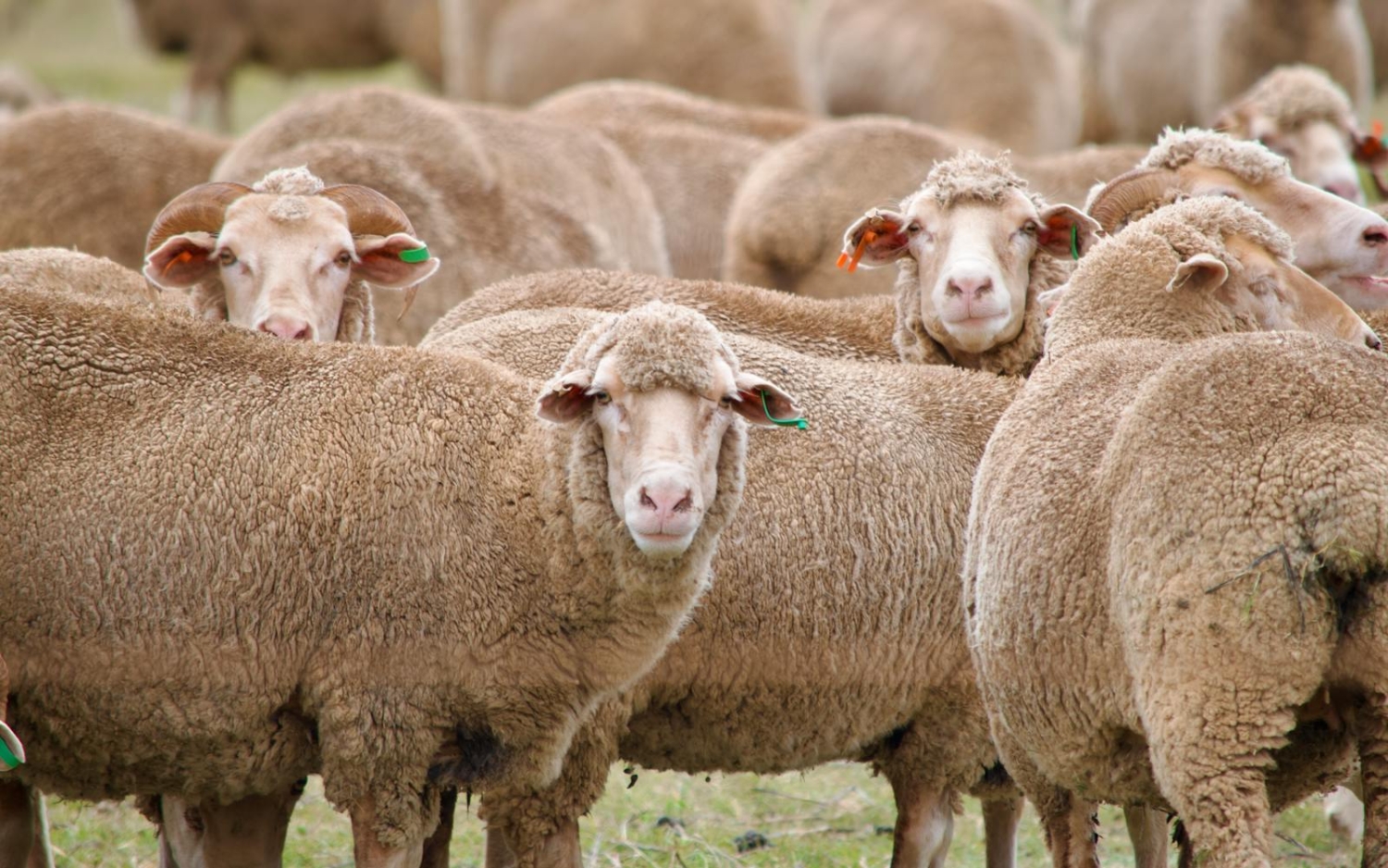
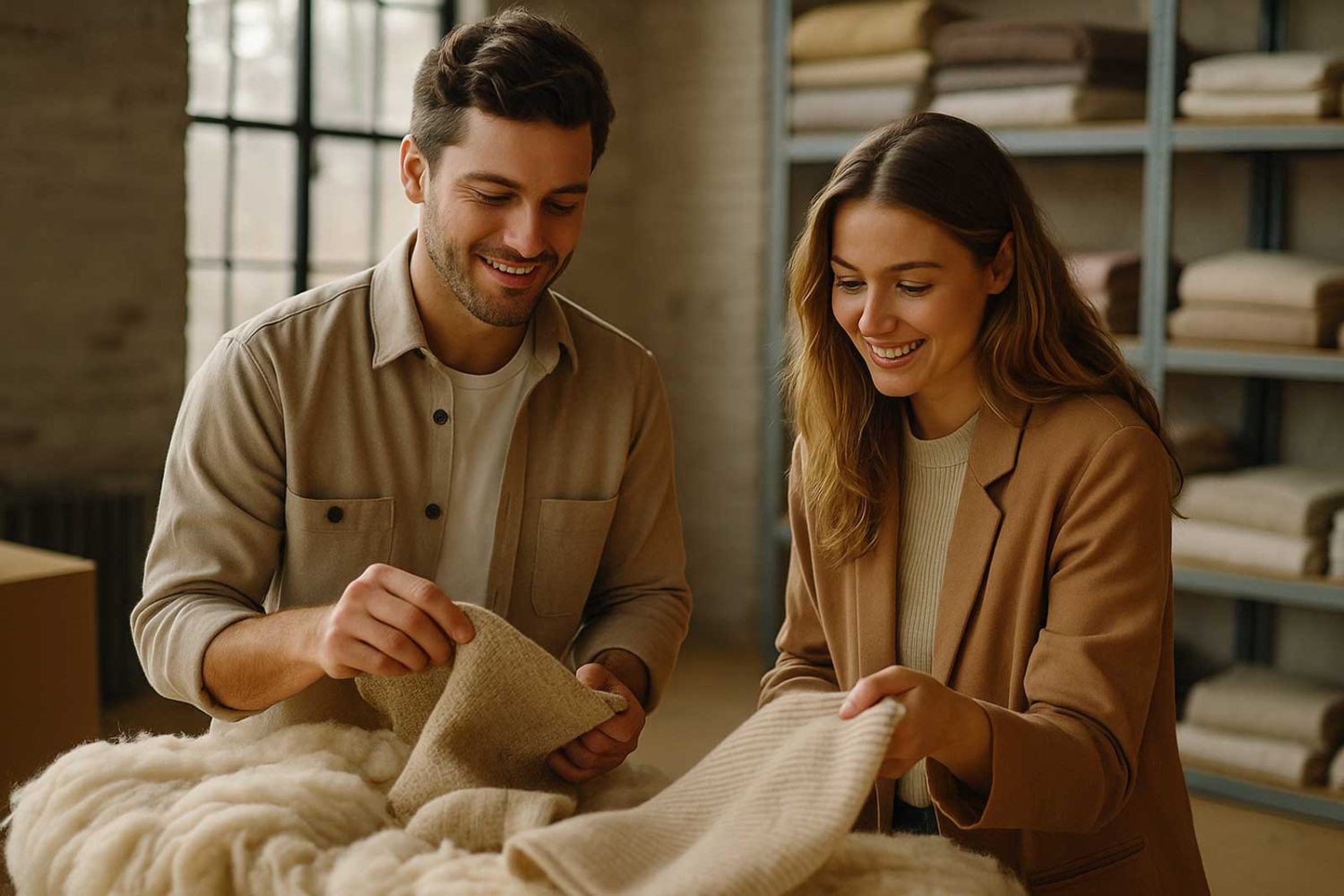
From the rolling hills of Australia to the bustling fashion capitals of the world, the journey of sustainable Merino wool is a testament to nature’s brilliance and human ingenuity. This remarkable fibre, known for its unparalleled quality and eco-friendly credentials, begins its journey on regenerative Australian farms. Here, the focus is on sustainable practices that respect the land and the animals that call it home.

The Heart of Sustainability: Regenerative Farming

Regenerative farming is at the core of producing sustainable Merino wool. But what does this mean for you, the wool grower or ethical brand? It means healthier soils, increased biodiversity, and a reduced carbon footprint. Farmers employ techniques like rotational grazing and cover cropping to ensure the land remains fertile and productive. This approach not only benefits the environment but also enhances the quality of the wool. Ever wondered why Merino wool feels so luxurious? It’s all in the care taken from the very start.

Animal Welfare: More Than Just a Buzzword

Animal welfare is a critical component of sustainable Merino wool production. Sheep are treated with the utmost care, ensuring they live stress-free lives. This commitment to animal welfare is not just ethical; it directly impacts the quality of the wool. Happy, healthy sheep produce finer, softer wool. For you, this means a product that not only feels good but also aligns with your values. After all, who doesn’t want to support a process that’s kind to animals?

Eco-Friendly Processing: From Farm to Fabric

Once the wool leaves the farm, it undergoes a transformation through eco-friendly processing techniques. This stage is crucial in maintaining the fibre’s sustainability credentials. Traditional methods are eschewed in favour of processes that minimise water usage and eliminate harmful chemicals. The result? A fabric that’s as gentle on the planet as it is on your skin. For those interested in the technical side, the International Wool Textile Organisation provides detailed insights into these innovative processes.

The Final Product: Style Meets Sustainability

When sustainable Merino wool finally reaches the hands of designers and brands, it becomes the foundation for garments that are both stylish and sustainable. This natural fibre offers unparalleled comfort and breathability, making it a favourite among ethical brands. Whether it’s a cosy jumper or a sleek suit, Merino wool garments are designed to last, reducing the need for frequent replacements. This longevity is a win for both your wardrobe and the environment.

Why Choose Sustainable Merino Wool?

So, why should you, as a wool processor or brand, choose sustainable Merino wool? The reasons are as varied as they are compelling. Firstly, it supports a transparent and ethical supply chain, something increasingly valued by consumers. Secondly, it offers a superior product that stands out in a crowded market. And finally, it aligns with a growing global movement towards sustainability and environmental responsibility. Isn’t it time you joined this movement?

Let’s Have a Yarn

Ready to explore the possibilities of sustainable Merino wool for your business? At Lana, we specialise in bringing high-quality, sustainable wool to the world. Whether you’re looking to source high-quality fibre or partner with a trusted leader in the field, we’re here to help. Let’s have a yarn and see how we can work together to create something truly special.
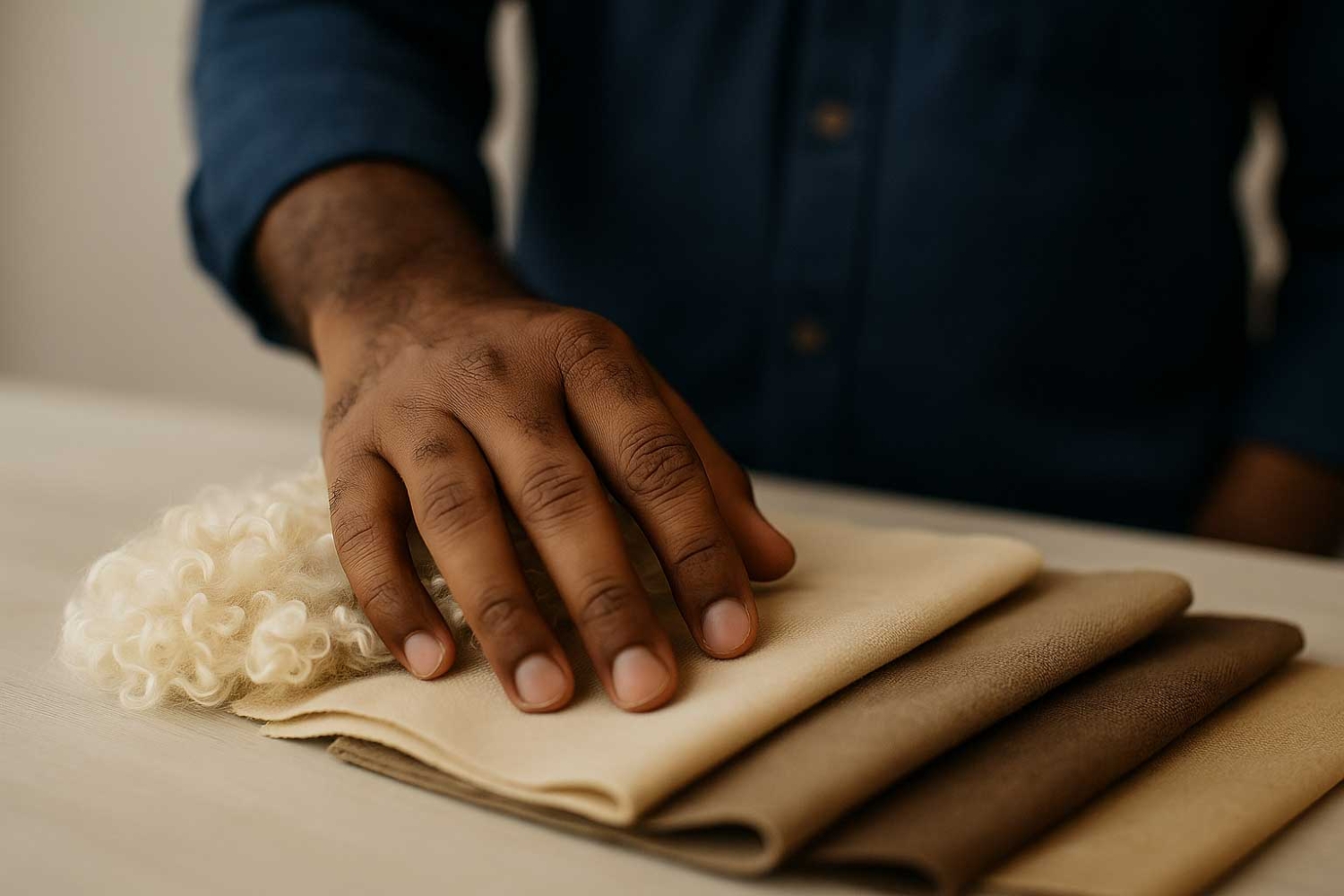
In the world of textiles, sustainable wool is making waves as a champion of eco-friendly fashion. But what does it really mean for you, the Australian wool grower, processor, or brand? Sustainable wool isn’t just a buzzword—it’s a commitment to quality, transparency, and long-term partnerships. As the demand for sustainable practices grows, understanding its impact on your business is crucial. For a deeper dive into sustainable practices, you might find this Wikipedia page on sustainable fashion helpful.

Understanding Sustainable Wool

Sustainable wool is all about responsible production. It involves practices that protect the environment, ensure animal welfare, and support the livelihoods of those in the wool industry. But why should you care? Well, consumers are increasingly looking for products that align with their values. By embracing sustainable wool, you’re not just meeting market demand—you’re also contributing to a healthier planet.

The Benefits of Sustainable Wool for Growers

As a wool grower, you might wonder how sustainable practices can benefit you. Firstly, sustainable wool farming often leads to healthier sheep and better-quality wool. This means higher yields and potentially higher profits. Additionally, sustainable practices can reduce costs in the long run by minimising waste and improving resource efficiency. Ever tried reducing your water usage? It’s a game-changer!

Moreover, by adopting sustainable practices, you position yourself as a leader in the industry. This can open doors to new markets and partnerships with brands that prioritise sustainability. It’s not just about doing good—it’s about doing well, too.

Processors: Enhancing Quality and Efficiency

For wool processors, sustainability means enhancing quality and efficiency. By implementing eco-friendly processes, you can reduce energy consumption and waste. This not only lowers your operational costs but also improves the quality of the wool you produce. And let’s face it, who doesn’t want to save a few dollars while doing their bit for the planet?

Sustainable processing also involves transparency. Consumers want to know where their products come from and how they’re made. By providing clear information about your processes, you build trust with your customers. This transparency can be a powerful marketing tool, setting you apart from competitors.

Brands: Meeting Consumer Demand

If you’re a brand, sustainable wool offers a unique selling point. Today’s consumers are more informed and conscious about their purchases. They want products that are not only high-quality but also ethically produced. By using sustainable wool, you meet this demand head-on.

But it’s not just about meeting demand—it’s about creating a brand story that resonates with your audience. Sharing your commitment to sustainability can foster a deeper connection with your customers. It shows that you care about more than just profits; you care about the planet and the people on it.

Building Long-Term Partnerships

Sustainability isn’t a solo journey—it’s a collaborative effort. By working together, growers, processors, and brands can create a more sustainable wool industry. This means building long-term partnerships based on trust and shared values. And let’s be honest, isn’t it more fun to work with people who share your vision?

These partnerships can lead to innovative solutions and new opportunities. Whether it’s developing new products or exploring new markets, collaboration is key. So, how can you start building these partnerships? It begins with open communication and a commitment to shared goals.

Overcoming Challenges

Of course, transitioning to sustainable practices isn’t without its challenges. It requires investment, both in terms of time and resources. But the benefits far outweigh the costs. By taking the leap, you’re not just future-proofing your business—you’re also contributing to a more sustainable future for everyone.

And remember, you’re not alone. There are plenty of resources and organisations ready to support you on this journey. Whether it’s through funding, training, or networking opportunities, help is available. So, what are you waiting for?

Let’s Have a Yarn

Ready to explore the world of sustainable wool and see how it can transform your business? At Lana, we’re passionate about supporting the wool industry and fostering sustainable practices. Whether you’re a grower, processor, or brand, we’re here to help you navigate the journey towards sustainability. Let’s have a yarn and see how we can work together to create a brighter future for the wool industry.

Australia’s merino wool sourcing is gaining traction worldwide, and it’s no wonder why. With its unparalleled quality and sustainability, merino wool from Down Under is a top choice for brands and processors seeking premium fibre. But what makes Australian merino wool so special, and why is it in such high demand? Let’s dive into the world of merino wool sourcing and uncover the secrets behind its growing popularity. For a deeper understanding of merino wool, you might find this Wikipedia page on Merino wool helpful.

The Unique Qualities of Australian Merino Wool

Merino wool is renowned for its softness, breathability, and versatility. But what sets Australian merino wool apart from the rest? It all starts with the sheep. Australia is home to some of the world’s finest merino sheep, bred specifically for their superior wool. These sheep produce a fibre that’s finer and softer than other types of wool, making it ideal for high-end fashion and performance wear.

Moreover, Australian merino wool is incredibly durable and resilient. It can withstand the rigours of everyday wear while maintaining its shape and quality. This makes it a favourite among brands looking for long-lasting, high-quality materials. Have you ever worn a merino wool sweater? If so, you know just how comfortable and luxurious it feels against your skin.

Sustainability: A Key Driver for Merino Wool

In today’s world, sustainability is more than just a buzzword—it’s a necessity. Consumers are increasingly seeking products that are environmentally friendly and ethically produced. This is where Australian merino wool shines. The wool industry in Australia is committed to sustainable practices, ensuring that the wool is sourced responsibly and with minimal impact on the environment.

From regenerative farming techniques to ethical animal welfare practices, Australian wool growers are leading the way in sustainable wool production. This commitment to sustainability not only benefits the environment but also appeals to conscious consumers who value transparency and ethical sourcing. It’s a win-win situation for everyone involved.

The Role of Long-term Partnerships in the Wool Industry

For wool growers, processors, and brands, building long-term partnerships is crucial. These relationships foster trust, transparency, and mutual growth. At Lana, we understand the importance of these partnerships and strive to create lasting connections with our clients and suppliers.

By working closely with wool growers and processors, we ensure that the highest quality merino wool is delivered to our clients. This collaborative approach allows us to maintain a transparent supply chain and provide our customers with the best possible product. After all, isn’t it reassuring to know exactly where your materials come from and how they’re produced?

Challenges and Opportunities in Merino Wool Sourcing

While the demand for merino wool is on the rise, sourcing it comes with its own set of challenges. Climate change, fluctuating market prices, and the need for continuous innovation are just a few of the hurdles the industry faces. However, these challenges also present opportunities for growth and improvement.

By investing in research and development, the wool industry can continue to innovate and adapt to changing market demands. This includes developing new technologies and techniques to improve wool quality and sustainability. For wool growers and processors, staying ahead of the curve is essential to meeting the needs of their clients and consumers.

Why Choose Lana for Your Merino Wool Needs?

At Lana, we believe in the power of Australian merino wool and its potential to transform the textile industry. Our commitment to quality, sustainability, and transparency sets us apart as a trusted leader in merino wool sourcing. We work tirelessly to ensure that our clients receive the finest wool, backed by a transparent and ethical supply chain.

Whether you’re a wool grower, processor, or brand, partnering with Lana means gaining access to high-quality fibre and a team dedicated to your success. So, why not take the next step and explore the possibilities with us? Let’s have a yarn and discuss how we can support your merino wool needs. Contact us today to start a conversation.

David Mahilraj
Let's Chat!
Online