Tag Archive for: wool processing

In the world of textiles, sustainable wool is making waves as a champion of eco-friendly fashion. But what does it really mean for you, the Australian wool grower, processor, or brand? Sustainable wool isn’t just a buzzword—it’s a commitment to quality, transparency, and long-term partnerships. As the demand for sustainable practices grows, understanding its impact on your business is crucial. For a deeper dive into sustainable practices, you might find this Wikipedia page on sustainable fashion helpful.

Understanding Sustainable Wool

Sustainable wool is all about responsible production. It involves practices that protect the environment, ensure animal welfare, and support the livelihoods of those in the wool industry. But why should you care? Well, consumers are increasingly looking for products that align with their values. By embracing sustainable wool, you’re not just meeting market demand—you’re also contributing to a healthier planet.

The Benefits of Sustainable Wool for Growers

As a wool grower, you might wonder how sustainable practices can benefit you. Firstly, sustainable wool farming often leads to healthier sheep and better-quality wool. This means higher yields and potentially higher profits. Additionally, sustainable practices can reduce costs in the long run by minimising waste and improving resource efficiency. Ever tried reducing your water usage? It’s a game-changer!

Moreover, by adopting sustainable practices, you position yourself as a leader in the industry. This can open doors to new markets and partnerships with brands that prioritise sustainability. It’s not just about doing good—it’s about doing well, too.

Processors: Enhancing Quality and Efficiency

For wool processors, sustainability means enhancing quality and efficiency. By implementing eco-friendly processes, you can reduce energy consumption and waste. This not only lowers your operational costs but also improves the quality of the wool you produce. And let’s face it, who doesn’t want to save a few dollars while doing their bit for the planet?

Sustainable processing also involves transparency. Consumers want to know where their products come from and how they’re made. By providing clear information about your processes, you build trust with your customers. This transparency can be a powerful marketing tool, setting you apart from competitors.

Brands: Meeting Consumer Demand

If you’re a brand, sustainable wool offers a unique selling point. Today’s consumers are more informed and conscious about their purchases. They want products that are not only high-quality but also ethically produced. By using sustainable wool, you meet this demand head-on.

But it’s not just about meeting demand—it’s about creating a brand story that resonates with your audience. Sharing your commitment to sustainability can foster a deeper connection with your customers. It shows that you care about more than just profits; you care about the planet and the people on it.

Building Long-Term Partnerships

Sustainability isn’t a solo journey—it’s a collaborative effort. By working together, growers, processors, and brands can create a more sustainable wool industry. This means building long-term partnerships based on trust and shared values. And let’s be honest, isn’t it more fun to work with people who share your vision?

These partnerships can lead to innovative solutions and new opportunities. Whether it’s developing new products or exploring new markets, collaboration is key. So, how can you start building these partnerships? It begins with open communication and a commitment to shared goals.

Overcoming Challenges

Of course, transitioning to sustainable practices isn’t without its challenges. It requires investment, both in terms of time and resources. But the benefits far outweigh the costs. By taking the leap, you’re not just future-proofing your business—you’re also contributing to a more sustainable future for everyone.

And remember, you’re not alone. There are plenty of resources and organisations ready to support you on this journey. Whether it’s through funding, training, or networking opportunities, help is available. So, what are you waiting for?

Let’s Have a Yarn

Ready to explore the world of sustainable wool and see how it can transform your business? At Lana, we’re passionate about supporting the wool industry and fostering sustainable practices. Whether you’re a grower, processor, or brand, we’re here to help you navigate the journey towards sustainability. Let’s have a yarn and see how we can work together to create a brighter future for the wool industry.
Great wool doesn’t come from luck. It’s the result of thoughtful choices, season after season. At Lana Trading, we’ve worked with growers across Australia, and we’ve seen firsthand the care that goes into producing quality wool.

To bring these insights to life, we sat down with one of our long-time growers, Graham, who runs a mixed grazing property in Victoria. He’s been raising sheep for over 25 years, and his wool consistently meets the high standards sought by mills and brands.

Here’s what Graham, and many like him, say makes great wool.

Fibre Quality Starts on the Farm

The right traits make all the difference.

“We keep an eye on crimp, staple strength, and uniformity. That’s what processors look for, and it’s what helps our wool stand out.”

Fibre diameter (micron) is important, but it’s not the only factor. Crimp adds softness and elasticity. Staple strength reduces breakage during processing. Consistency across the fleece ensures better yields for the buyer. These aren’t just buzzwords, they’re markers of good breeding, good nutrition, and careful animal management.

Genetics, Feed and Stress Management

Healthier sheep mean better wool.

“If the sheep are stressed or not getting the right nutrition, it shows in the wool. You’ll see it in the breaks and the variation.”

Good pasture management, supplementary feed when needed, and keeping an eye on animal health all contribute to fleece quality. Regular monitoring of condition scores helps ensure sheep are not over- or under-fed, and reduces seasonal stress that can compromise fibre strength.

Animal Welfare and Certification

More buyers are asking questions.

“We moved away from mulesing a few years back,” Graham shares. “At first, I was sceptical, but the market told us loud and clear that it matters.”

With growing interest in traceable and ethical wool, many growers are shifting toward non-mulesed and certified practices. While not every grower makes this choice, those who do often find their wool opens doors to new buyers and long-term relationships. It’s not just about ticking a box, it’s about aligning with what today’s market expects.

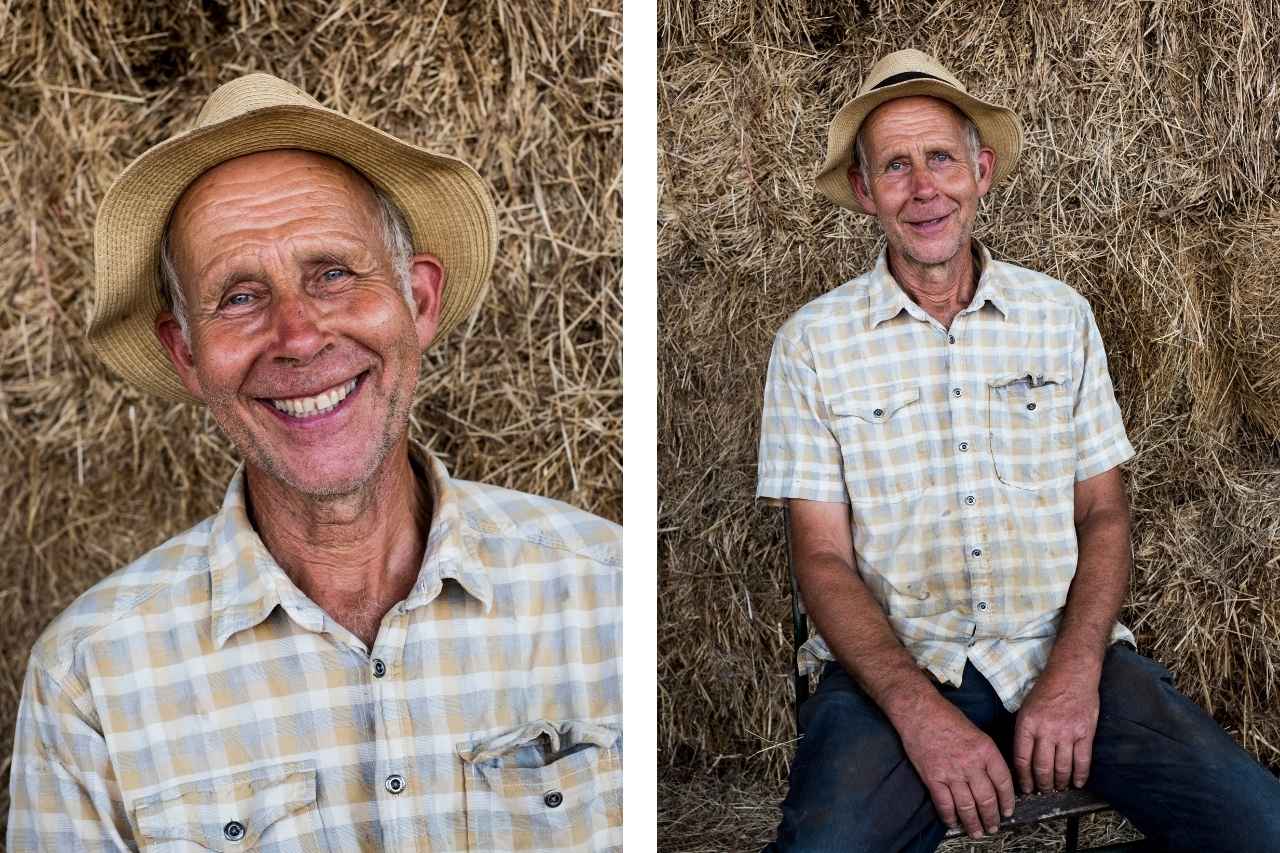
What makes great wool? Graham, a wool grower in Victoria, Australia, has the answers - Lana Sustainable Wool Solutions

Graham, a wool grower in Victoria, has been raising sheep on his family farm for over 25 years.

Classing and Consistency

Classing well pays off.

“We make sure our clip tells a clear story,” Graham explains. “Uniform lines, no contamination, and clean documentation. That’s what buyers want.”

Proper classing isn’t just about neat bales, it’s about protecting the value of the wool clip. Classing improves presentation, processing efficiency, and traceability. Graham’s approach includes working closely with his wool classer and maintaining clear records, year after year.

The Role of Feedback Loops

A grower-processor connection makes a difference.

“Knowing where your wool goes and how it performs helps you plan better. You don’t get that in a traditional auction.”

Having access to feedback, whether through mill visits, processor comments, or performance reports, helps growers refine their flock and their shearing strategy. It turns wool-growing into a two-way conversation, rather than a one-way sale.

Preparing for the Future

Wool is still a craft, and it’s evolving.

“I want to leave something solid for my kids. That means staying open to change but sticking to the values that matter.”

Graham sees wool growing as both an art and a business. Markets are shifting, climate conditions are changing, and the next generation of growers need better support and smarter tools. He believes sustainability isn’t just about certifications, it’s about financial resilience, environmental care, and building relationships that last.

At Lana, We See What Goes Into Great Wool

We believe growers like Graham deserve more than a transactional relationship. That’s why we work directly with processors and brands to match Australia’s finest wool with buyers who truly value it.

If you’re a grower looking to build long-term relationships, receive feedback, and get support tailored to your wool and your goals, we’d love to hear from you.

Start the conversation with our team

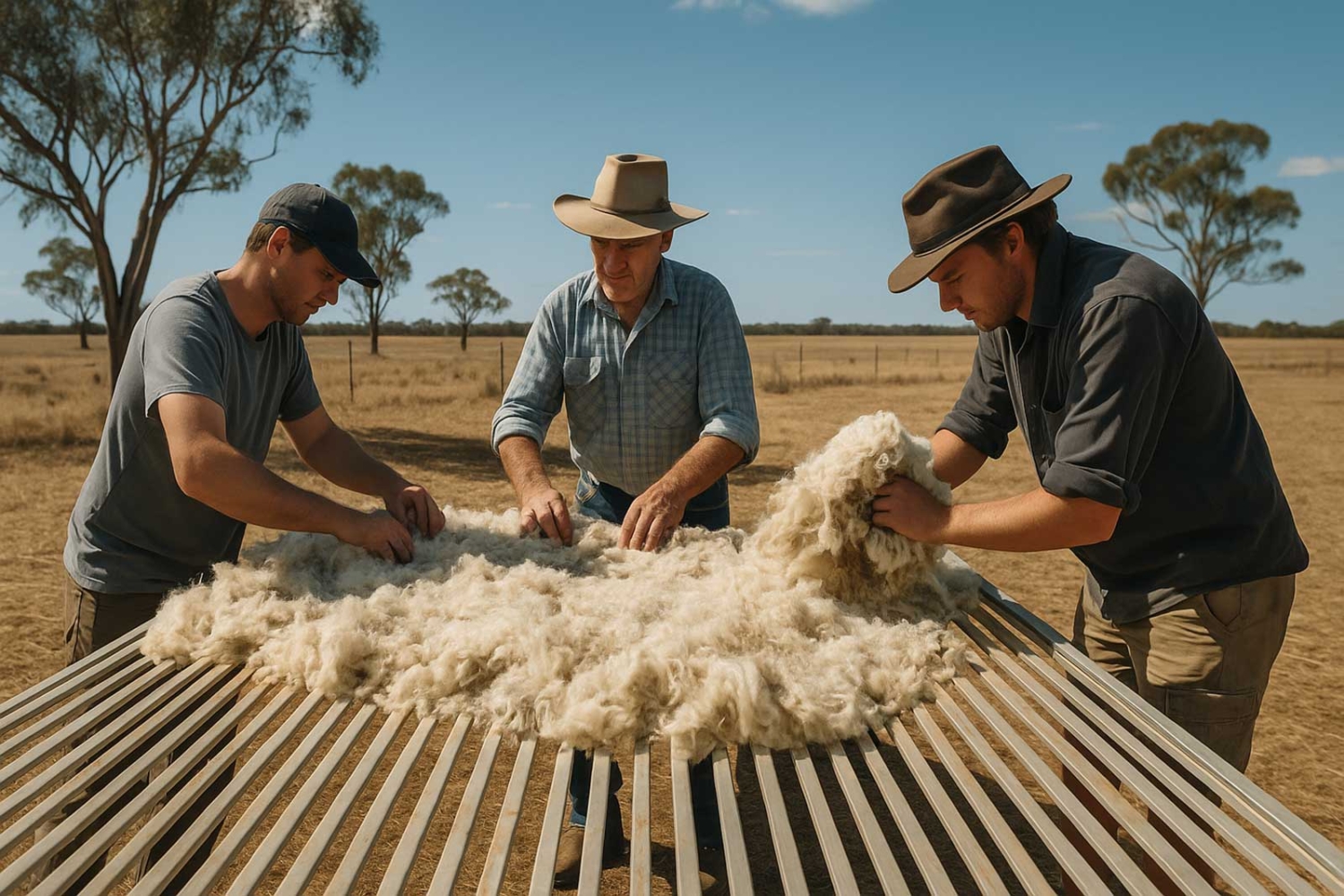
Preparing your wool clip for market is no small feat. It requires attention to detail, a keen understanding of industry standards, and a commitment to quality. In this wool clip preparation guide, we’ll explore best practices for classing, skirting, and storage. By following these tips, you can improve the quality of your wool, meet buyer specifications, reduce waste, and maximise returns. Ready to dive in? Let’s get started.

Understanding Wool Classing

Wool classing is the foundation of a successful wool clip. It involves sorting wool into different categories based on quality, length, and other characteristics. This process ensures that your wool meets the specific needs of buyers and processors. According to the Australian Wool Exchange, classing is crucial for maintaining the integrity of the wool supply chain. Learn more about wool classing here.

The Importance of Skirting

Skirting is the process of removing inferior or contaminated wool from the fleece. This step is essential for presenting a clean and uniform product to buyers. When skirting, focus on removing wool that is stained, short, or contains vegetable matter. This not only enhances the overall quality of your clip but also increases its market value. Remember, a well-skirted fleece is more attractive to top processors and brands.

Optimising Wool Storage

Proper storage is key to preserving the quality of your wool clip. Wool should be stored in a clean, dry environment to prevent contamination and deterioration. Use wool packs or bins that allow for adequate ventilation, and avoid stacking wool too high to prevent compression. Regularly inspect your storage area for pests and moisture, as these can significantly impact wool quality.

Meeting Buyer Specifications

Understanding and meeting buyer specifications is crucial for maximising returns on your wool clip. Each buyer may have different requirements regarding fibre length, strength, and cleanliness. Stay informed about industry trends and communicate with buyers to ensure your wool meets their needs. This proactive approach can lead to long-term partnerships and increased demand for your product.

Reducing Waste in Wool Preparation

Reducing waste is not only environmentally responsible but also economically beneficial. By minimising waste during wool preparation, you can increase the yield and quality of your clip. Implement efficient classing and skirting practices, and consider recycling or repurposing waste wool. This can lead to cost savings and a more sustainable operation.

Maximising Returns on Your Wool Clip

To maximise returns, focus on producing a high-quality product that meets market demands. Invest in training and resources to improve your wool preparation skills, and stay updated on industry developments. Building strong relationships with buyers and processors can also lead to better pricing and opportunities for your wool.

Ensuring Your Clip is Market-Ready

A market-ready wool clip is one that is clean, well-classed, and meets buyer specifications. Regularly review your preparation processes and seek feedback from industry experts to identify areas for improvement. By consistently delivering a high-quality product, you can establish your reputation as a trusted supplier in the wool industry.

Ready to take your wool clip preparation to the next level?

We hope you found this wool clip preparation guide helpful. At Lana, we’re passionate about helping Australian wool growers succeed. Let’s have a yarn and explore how we can support your journey to producing top-quality wool.

David Mahilraj
Let's Chat!
Online