Forward wool contracts might sound like a complex financial term, but for Australian wool growers and processors, they’re a game-changer. These contracts offer a way to lock in prices and manage risks, ensuring a stable and predictable income. But how exactly do they work, and why should you care? Let’s dive into the world of forward wool contracts and explore their benefits. For a deeper understanding of futures contracts in general, you might find this Wikipedia page on futures contracts helpful.

Understanding Forward Wool Contracts

Forward wool contracts are agreements between a buyer and a seller to exchange wool at a predetermined price at a future date. This arrangement provides price certainty, which is crucial in an industry where market prices can fluctuate wildly. By securing a price in advance, both growers and processors can plan their finances with greater confidence.

Why Forward Wool Contracts Matter

For wool growers, forward contracts offer a safety net against price volatility. Imagine you’re a grower who’s invested time and resources into producing high-quality wool. The last thing you want is to be at the mercy of market swings when it’s time to sell. Forward contracts ensure you get a fair price, regardless of market conditions.

Processors, on the other hand, benefit from a reliable supply of wool. Knowing they have secured a certain quantity at a fixed price allows them to manage their production schedules and costs more effectively. This stability is especially important for brands that pride themselves on quality and consistency.

Benefits of Forward Wool Contracts

  1. Price Certainty: Locking in prices helps both parties avoid the stress of market fluctuations. It’s like having a financial crystal ball that lets you see into the future.
  2. Risk Management: By agreeing on a price beforehand, growers and processors can mitigate the risks associated with unpredictable market changes.
  3. Reliable Supply: For processors, having a guaranteed supply of wool means they can meet production demands without scrambling for resources.
  4. Long-term Partnerships: These contracts often lead to stronger relationships between growers and processors, fostering trust and collaboration.

Setting Clear Terms for Success

When entering into forward wool contracts, clarity is key. Here are some tips to ensure your agreements are beneficial for all parties involved:

  • Define the Quality: Clearly specify the quality of wool expected. This avoids disputes and ensures both parties are on the same page.
  • Set Delivery Dates: Agree on delivery timelines to ensure the wool is available when needed.
  • Outline Payment Terms: Be clear about when and how payments will be made to avoid any financial misunderstandings.
  • Include Contingency Plans: Life is unpredictable. Having a plan for unforeseen circumstances can save both parties a lot of headaches.

Building Long-term, Mutually Beneficial Agreements

Forward wool contracts are more than just financial tools; they’re the foundation for long-lasting partnerships. By working closely with your counterparts, you can build relationships that go beyond transactions. Here’s how:

  • Communicate Regularly: Keep the lines of communication open. Regular updates and check-ins can prevent misunderstandings and build trust.
  • Be Transparent: Honesty is the best policy. Being upfront about any issues or changes can help maintain a strong partnership.
  • Focus on Mutual Benefits: Remember, the goal is a win-win situation. By prioritising the needs of both parties, you can create agreements that are beneficial for everyone involved.

Let’s Have a Yarn

Forward wool contracts are a powerful tool for managing risk and ensuring stability in the wool industry. Whether you’re a grower looking to secure a fair price or a processor needing a reliable supply, these contracts can provide the certainty you need. Ready to explore how forward wool contracts can benefit your business? Let’s have a yarn and see how we can help you build a sustainable, successful future in the wool industry.
Engaging a wool broker is a smart choice for Australian wool growers looking to maximise their returns and streamline their operations. But not all brokers are created equal. The best wool brokers in Australia stand out by offering unique services and insights that can make a significant difference in your wool business. Whether you’re a grower, processor, or brand, understanding what sets these brokers apart can help you make informed decisions. In this article, we share twelve things great brokers do differently.

12 Things The Best Wool Brokers in Australia do Differently

Ready to learn what sets a great broker apart from the rest? Then let’s delve in.

1. Understanding the Market Inside Out

The best wool brokers in Australia have a deep understanding of the wool market. They keep up with global trends, price fluctuations, and consumer demands. This knowledge allows them to provide you with the best advice on when to sell your wool for maximum profit. They don’t just react to market changes; they anticipate them, giving you a competitive edge.

2. Building Long-Term Relationships

Great brokers focus on building long-term relationships with their clients. They understand that trust and transparency are key to successful partnerships. By prioritising your needs and maintaining open communication, they ensure that you feel valued and supported throughout the entire process.

3. Offering Personalised Service

Unlike average brokers, the best ones offer personalised service tailored to your specific needs. They take the time to understand your business, your goals, and your challenges. This personalised approach ensures that you receive advice and services that are relevant and beneficial to your unique situation.

4. Providing Comprehensive Market Reports

Top-tier brokers provide comprehensive market reports that give you a clear picture of the current state of the wool industry. These reports include detailed analyses, forecasts, and insights that help you make informed decisions about your wool production and sales strategies.

5. Utilising Advanced Technology

The best wool brokers leverage advanced technology to streamline processes and improve efficiency. From digital platforms for easy communication to data analytics tools that provide valuable insights, these brokers use technology to enhance their services and deliver better results for you.

6. Ensuring Quality Assurance

Quality assurance is a priority for the best brokers. They implement rigorous quality control measures to ensure that the wool you sell meets industry standards. This attention to detail not only protects your reputation but also maximises the value of your wool.

7. Facilitating Transparent Transactions

Transparency is a hallmark of great brokers. They ensure that all transactions are conducted openly and honestly, providing you with clear documentation and explanations at every step. This transparency builds trust and confidence in your business relationship.

8. Offering Competitive Commission Rates

While some brokers charge exorbitant fees, the best ones offer competitive commission rates that reflect the value of their services. They understand that your success is their success, and they strive to provide cost-effective solutions that benefit both parties.

9. Providing Expert Negotiation Skills

Negotiation is an art, and the best brokers are masters at it. They use their expertise to negotiate the best prices and terms for your wool, ensuring that you receive the maximum return on your investment. Their negotiation skills can make a significant difference in your bottom line.

10. Supporting Sustainable Practices

Sustainability is more than just a buzzword for the best brokers. They actively support and promote sustainable practices within the wool industry. By aligning with brokers who prioritise sustainability, you contribute to a more responsible and environmentally-friendly industry.

11. Offering Educational Resources

Education is a powerful tool, and the best brokers provide you with access to valuable resources and training. Whether it’s workshops, seminars, or online courses, these educational opportunities help you stay informed and improve your skills.

12. Maintaining Strong Industry Connections

The best brokers have strong connections within the wool industry. These relationships allow them to provide you with access to a wide network of buyers, processors, and other key players. This connectivity can open doors and create new opportunities for your business.

Lana’s Commitment to Excellence

Finally, the best wool brokers in Australia demonstrate a commitment to excellence in everything they do. At Lana, we are passionate about the wool industry and dedicated to helping you succeed. This commitment is evident in our attention to detail, our proactive approach, and unwavering support.

We believe in the power of Australian wool and are committed to helping you achieve your goals. Let’s have a yarn about how we can support your business. Contact us today to start a conversation.

The wool industry is a fascinating sector, rich with history and brimming with opportunities. Careers in the wool industry are not just about farming; they encompass a wide range of roles from processing to marketing. If you’re passionate about sustainable practices and high-quality fibres, this industry might just be your calling. For those interested in the broader agricultural sector, the Australian Wool Innovation website offers a wealth of resources and insights into the wool industry.

The Diverse Roles in the Wool Industry

When you think of the wool industry, you might picture vast fields of sheep grazing under the Australian sun. While this is a part of it, the industry is much more diverse. Careers in the wool industry range from hands-on roles like shearing and wool classing to more technical positions in processing and quality control. There are also opportunities in sales, marketing, and supply chain management. Each role plays a crucial part in bringing high-quality wool products to market.

Wool Growers and Shearers

At the heart of the industry are the wool growers and shearers. These individuals work tirelessly to ensure the health and well-being of their flocks. Wool growers focus on breeding and raising sheep, while shearers are skilled in the art of removing the fleece. It’s a physically demanding job, but one that is essential to the industry.

Processors and Quality Controllers

Once the wool is shorn, it moves on to processing. This is where the wool is cleaned, carded, and spun into yarn. Processors and quality controllers ensure that the wool meets industry standards. They play a vital role in maintaining the reputation of Australian wool as a premium product.

The Importance of Sustainable Practices

Sustainability is a growing concern across all industries, and the wool sector is no exception. Careers in the wool industry increasingly focus on sustainable practices. From ethical farming techniques to eco-friendly processing methods, there’s a strong push towards reducing the environmental impact. This shift not only benefits the planet but also appeals to consumers who value transparency and sustainability.

Ethical Farming and Animal Welfare

Ethical farming is a cornerstone of sustainable practices in the wool industry. Wool growers are adopting methods that ensure the welfare of their sheep and the health of the land. This includes rotational grazing, organic farming, and other techniques that promote biodiversity.

Eco-Friendly Processing

In the processing stage, there’s a move towards reducing water usage and chemical treatments. Innovations in technology are helping processors achieve these goals, making careers in this area both challenging and rewarding.

Building Long-Term Partnerships

One of the most rewarding aspects of careers in the wool industry is the opportunity to build long-term partnerships. Whether you’re interested in working with a wool grower, a processing facility, or with a brand directly, relationships are key. The industry thrives on collaboration and mutual respect, creating a community that supports each other.

Collaborating with Brands

For those in sales and marketing, working with brands that value high-quality fibre and sustainable practices is a fulfilling experience. These partnerships are built on trust and a shared commitment to excellence.

Engaging with Consumers

Engaging with consumers is another important aspect of the industry. Educating them about the benefits of wool and the efforts made towards sustainability helps build brand loyalty and trust.

Overcoming Challenges in the Wool Industry

Like any industry, the wool sector faces its share of challenges. From fluctuating market prices to climate change, professionals in the industry must be adaptable and forward-thinking. However, these challenges also present opportunities for innovation and growth.

Adapting to Market Changes

Market fluctuations can be unpredictable, but they also drive innovation. Careers in the wool industry require a keen understanding of market trends and consumer demands. This knowledge helps professionals navigate changes and seize new opportunities.

Addressing Climate Change

Climate change is a significant concern for wool growers. Adapting farming practices to mitigate its effects is crucial. This includes everything from water management to breeding sheep that are more resilient to changing weather patterns.

If you’re passionate about sustainability, high-quality fibres, and building meaningful partnerships, a career in the wool industry might be for you. Whether you’re just starting out or looking to make a change, there’s a place for you in this dynamic sector.

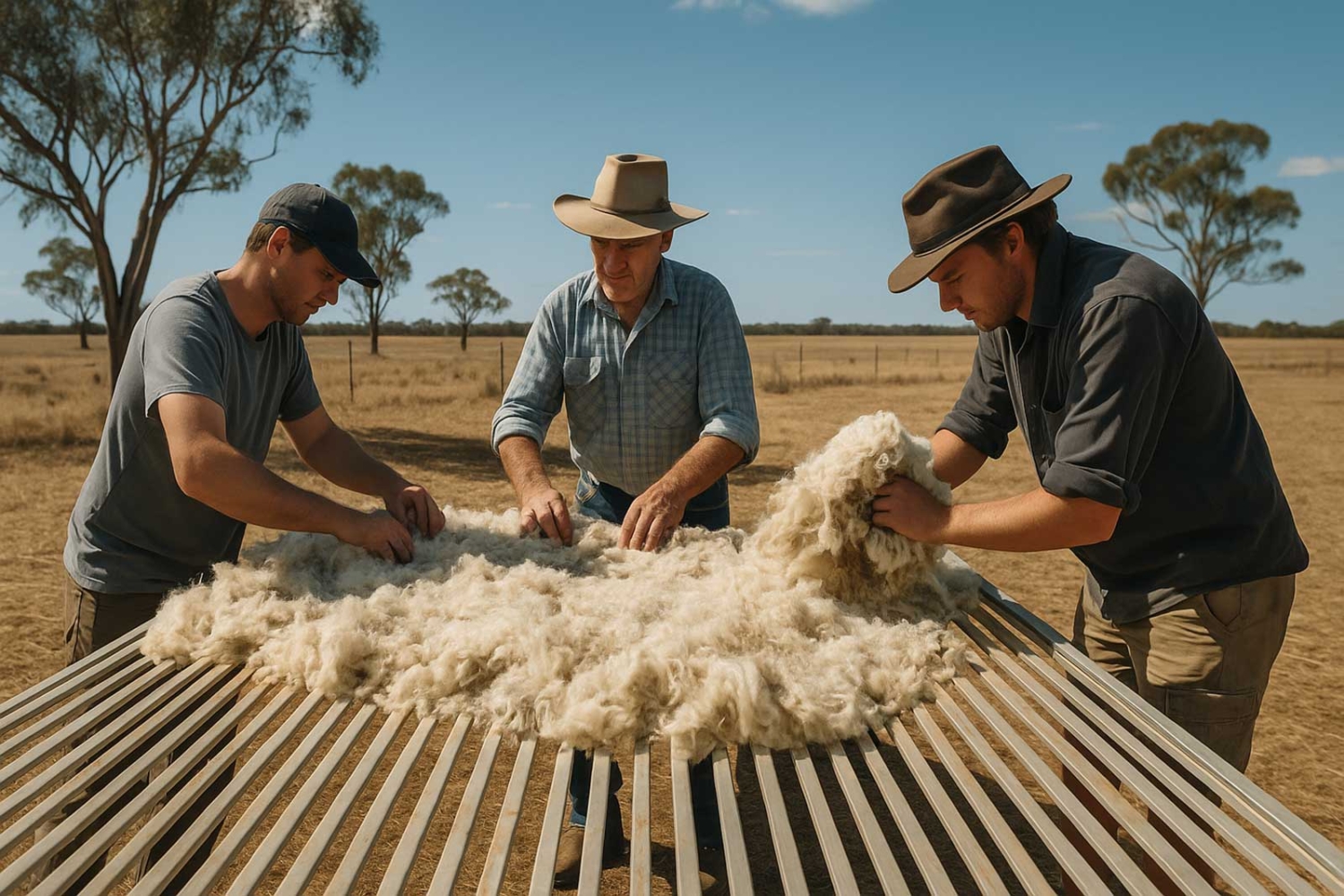
Preparing your wool clip for market is no small feat. It requires attention to detail, a keen understanding of industry standards, and a commitment to quality. In this wool clip preparation guide, we’ll explore best practices for classing, skirting, and storage. By following these tips, you can improve the quality of your wool, meet buyer specifications, reduce waste, and maximise returns. Ready to dive in? Let’s get started.

Understanding Wool Classing

Wool classing is the foundation of a successful wool clip. It involves sorting wool into different categories based on quality, length, and other characteristics. This process ensures that your wool meets the specific needs of buyers and processors. According to the Australian Wool Exchange, classing is crucial for maintaining the integrity of the wool supply chain. Learn more about wool classing here.

The Importance of Skirting

Skirting is the process of removing inferior or contaminated wool from the fleece. This step is essential for presenting a clean and uniform product to buyers. When skirting, focus on removing wool that is stained, short, or contains vegetable matter. This not only enhances the overall quality of your clip but also increases its market value. Remember, a well-skirted fleece is more attractive to top processors and brands.

Optimising Wool Storage

Proper storage is key to preserving the quality of your wool clip. Wool should be stored in a clean, dry environment to prevent contamination and deterioration. Use wool packs or bins that allow for adequate ventilation, and avoid stacking wool too high to prevent compression. Regularly inspect your storage area for pests and moisture, as these can significantly impact wool quality.

Meeting Buyer Specifications

Understanding and meeting buyer specifications is crucial for maximising returns on your wool clip. Each buyer may have different requirements regarding fibre length, strength, and cleanliness. Stay informed about industry trends and communicate with buyers to ensure your wool meets their needs. This proactive approach can lead to long-term partnerships and increased demand for your product.

Reducing Waste in Wool Preparation

Reducing waste is not only environmentally responsible but also economically beneficial. By minimising waste during wool preparation, you can increase the yield and quality of your clip. Implement efficient classing and skirting practices, and consider recycling or repurposing waste wool. This can lead to cost savings and a more sustainable operation.

Maximising Returns on Your Wool Clip

To maximise returns, focus on producing a high-quality product that meets market demands. Invest in training and resources to improve your wool preparation skills, and stay updated on industry developments. Building strong relationships with buyers and processors can also lead to better pricing and opportunities for your wool.

Ensuring Your Clip is Market-Ready

A market-ready wool clip is one that is clean, well-classed, and meets buyer specifications. Regularly review your preparation processes and seek feedback from industry experts to identify areas for improvement. By consistently delivering a high-quality product, you can establish your reputation as a trusted supplier in the wool industry.

Ready to take your wool clip preparation to the next level?

We hope you found this wool clip preparation guide helpful. At Lana, we’re passionate about helping Australian wool growers succeed. Let’s have a yarn and explore how we can support your journey to producing top-quality wool.

David Mahilraj
Let's Chat!
Online