Great wool doesn’t come from luck. It’s the result of thoughtful choices, season after season. At Lana Trading, we’ve worked with growers across Australia, and we’ve seen firsthand the care that goes into producing quality wool.

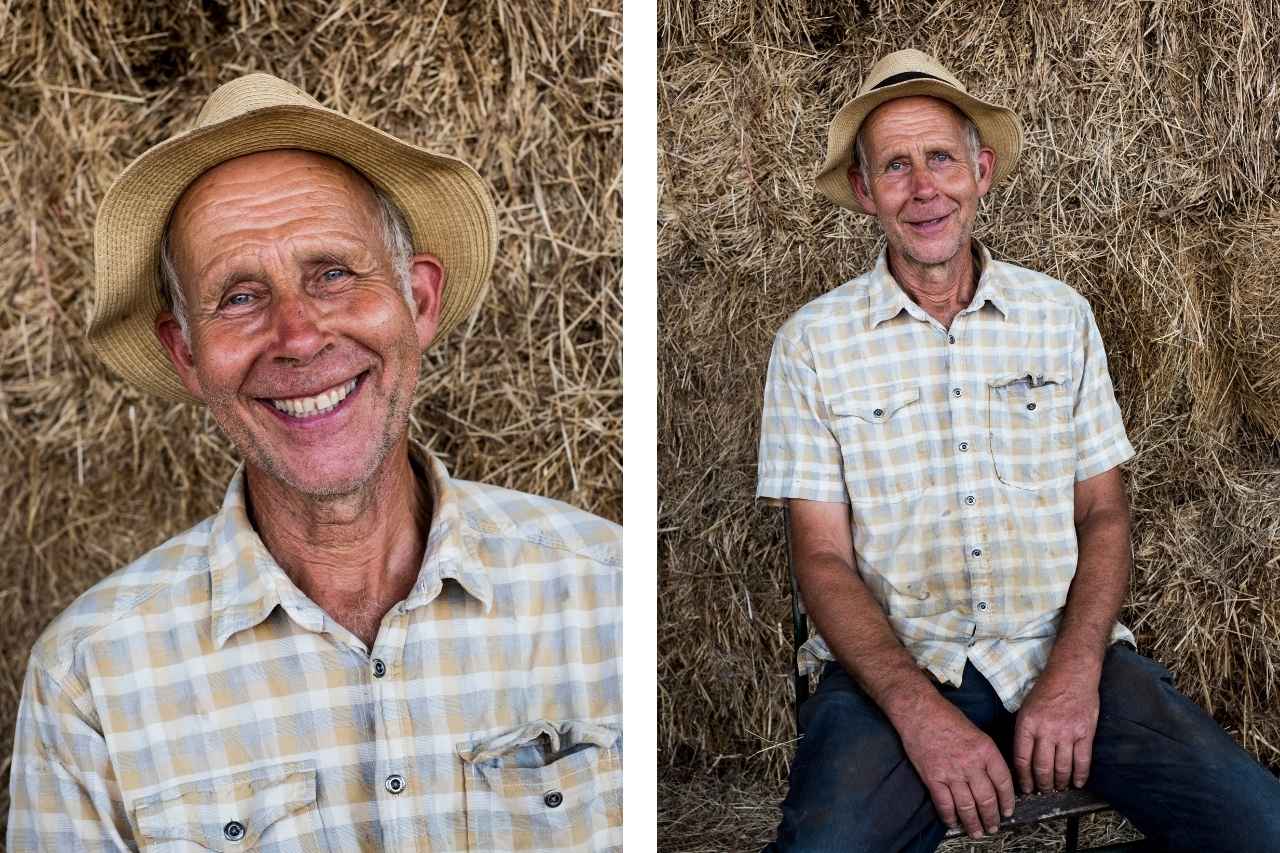
To bring these insights to life, we sat down with one of our long-time growers, Graham, who runs a mixed grazing property in Victoria. He’s been raising sheep for over 25 years, and his wool consistently meets the high standards sought by mills and brands.

Here’s what Graham, and many like him, say makes great wool.

Fibre Quality Starts on the Farm

The right traits make all the difference.

“We keep an eye on crimp, staple strength, and uniformity. That’s what processors look for, and it’s what helps our wool stand out.”

Fibre diameter (micron) is important, but it’s not the only factor. Crimp adds softness and elasticity. Staple strength reduces breakage during processing. Consistency across the fleece ensures better yields for the buyer. These aren’t just buzzwords, they’re markers of good breeding, good nutrition, and careful animal management.

Genetics, Feed and Stress Management

Healthier sheep mean better wool.

“If the sheep are stressed or not getting the right nutrition, it shows in the wool. You’ll see it in the breaks and the variation.”

Good pasture management, supplementary feed when needed, and keeping an eye on animal health all contribute to fleece quality. Regular monitoring of condition scores helps ensure sheep are not over- or under-fed, and reduces seasonal stress that can compromise fibre strength.

Animal Welfare and Certification

More buyers are asking questions.

“We moved away from mulesing a few years back,” Graham shares. “At first, I was sceptical, but the market told us loud and clear that it matters.”

With growing interest in traceable and ethical wool, many growers are shifting toward non-mulesed and certified practices. While not every grower makes this choice, those who do often find their wool opens doors to new buyers and long-term relationships. It’s not just about ticking a box, it’s about aligning with what today’s market expects.

What makes great wool? Graham, a wool grower in Victoria, Australia, has the answers - Lana Sustainable Wool Solutions

Graham, a wool grower in Victoria, has been raising sheep on his family farm for over 25 years.

Classing and Consistency

Classing well pays off.

“We make sure our clip tells a clear story,” Graham explains. “Uniform lines, no contamination, and clean documentation. That’s what buyers want.”

Proper classing isn’t just about neat bales, it’s about protecting the value of the wool clip. Classing improves presentation, processing efficiency, and traceability. Graham’s approach includes working closely with his wool classer and maintaining clear records, year after year.

The Role of Feedback Loops

A grower-processor connection makes a difference.

“Knowing where your wool goes and how it performs helps you plan better. You don’t get that in a traditional auction.”

Having access to feedback, whether through mill visits, processor comments, or performance reports, helps growers refine their flock and their shearing strategy. It turns wool-growing into a two-way conversation, rather than a one-way sale.

Preparing for the Future

Wool is still a craft, and it’s evolving.

“I want to leave something solid for my kids. That means staying open to change but sticking to the values that matter.”

Graham sees wool growing as both an art and a business. Markets are shifting, climate conditions are changing, and the next generation of growers need better support and smarter tools. He believes sustainability isn’t just about certifications, it’s about financial resilience, environmental care, and building relationships that last.

At Lana, We See What Goes Into Great Wool

We believe growers like Graham deserve more than a transactional relationship. That’s why we work directly with processors and brands to match Australia’s finest wool with buyers who truly value it.

If you’re a grower looking to build long-term relationships, receive feedback, and get support tailored to your wool and your goals, we’d love to hear from you.

Start the conversation with our team

The wool industry is a fascinating sector, rich with history and brimming with opportunities. Careers in the wool industry are not just about farming; they encompass a wide range of roles from processing to marketing. If you’re passionate about sustainable practices and high-quality fibres, this industry might just be your calling. For those interested in the broader agricultural sector, the Australian Wool Innovation website offers a wealth of resources and insights into the wool industry.

The Diverse Roles in the Wool Industry

When you think of the wool industry, you might picture vast fields of sheep grazing under the Australian sun. While this is a part of it, the industry is much more diverse. Careers in the wool industry range from hands-on roles like shearing and wool classing to more technical positions in processing and quality control. There are also opportunities in sales, marketing, and supply chain management. Each role plays a crucial part in bringing high-quality wool products to market.

Wool Growers and Shearers

At the heart of the industry are the wool growers and shearers. These individuals work tirelessly to ensure the health and well-being of their flocks. Wool growers focus on breeding and raising sheep, while shearers are skilled in the art of removing the fleece. It’s a physically demanding job, but one that is essential to the industry.

Processors and Quality Controllers

Once the wool is shorn, it moves on to processing. This is where the wool is cleaned, carded, and spun into yarn. Processors and quality controllers ensure that the wool meets industry standards. They play a vital role in maintaining the reputation of Australian wool as a premium product.

The Importance of Sustainable Practices

Sustainability is a growing concern across all industries, and the wool sector is no exception. Careers in the wool industry increasingly focus on sustainable practices. From ethical farming techniques to eco-friendly processing methods, there’s a strong push towards reducing the environmental impact. This shift not only benefits the planet but also appeals to consumers who value transparency and sustainability.

Ethical Farming and Animal Welfare

Ethical farming is a cornerstone of sustainable practices in the wool industry. Wool growers are adopting methods that ensure the welfare of their sheep and the health of the land. This includes rotational grazing, organic farming, and other techniques that promote biodiversity.

Eco-Friendly Processing

In the processing stage, there’s a move towards reducing water usage and chemical treatments. Innovations in technology are helping processors achieve these goals, making careers in this area both challenging and rewarding.

Building Long-Term Partnerships

One of the most rewarding aspects of careers in the wool industry is the opportunity to build long-term partnerships. Whether you’re interested in working with a wool grower, a processing facility, or with a brand directly, relationships are key. The industry thrives on collaboration and mutual respect, creating a community that supports each other.

Collaborating with Brands

For those in sales and marketing, working with brands that value high-quality fibre and sustainable practices is a fulfilling experience. These partnerships are built on trust and a shared commitment to excellence.

Engaging with Consumers

Engaging with consumers is another important aspect of the industry. Educating them about the benefits of wool and the efforts made towards sustainability helps build brand loyalty and trust.

Overcoming Challenges in the Wool Industry

Like any industry, the wool sector faces its share of challenges. From fluctuating market prices to climate change, professionals in the industry must be adaptable and forward-thinking. However, these challenges also present opportunities for innovation and growth.

Adapting to Market Changes

Market fluctuations can be unpredictable, but they also drive innovation. Careers in the wool industry require a keen understanding of market trends and consumer demands. This knowledge helps professionals navigate changes and seize new opportunities.

Addressing Climate Change

Climate change is a significant concern for wool growers. Adapting farming practices to mitigate its effects is crucial. This includes everything from water management to breeding sheep that are more resilient to changing weather patterns.

If you’re passionate about sustainability, high-quality fibres, and building meaningful partnerships, a career in the wool industry might be for you. Whether you’re just starting out or looking to make a change, there’s a place for you in this dynamic sector.

David Mahilraj
Let's Chat!
Online