
Tag Archive for: wool brokers Australia

A little while back, we had a grower reach out with a beautifully prepared mid-micron clip. Clean, well classed, and full of potential. But they’d had a rough run at auction. No real interest. The wrong buyers in the room, maybe, or just poor timing. Either way, they were ready to try something different.

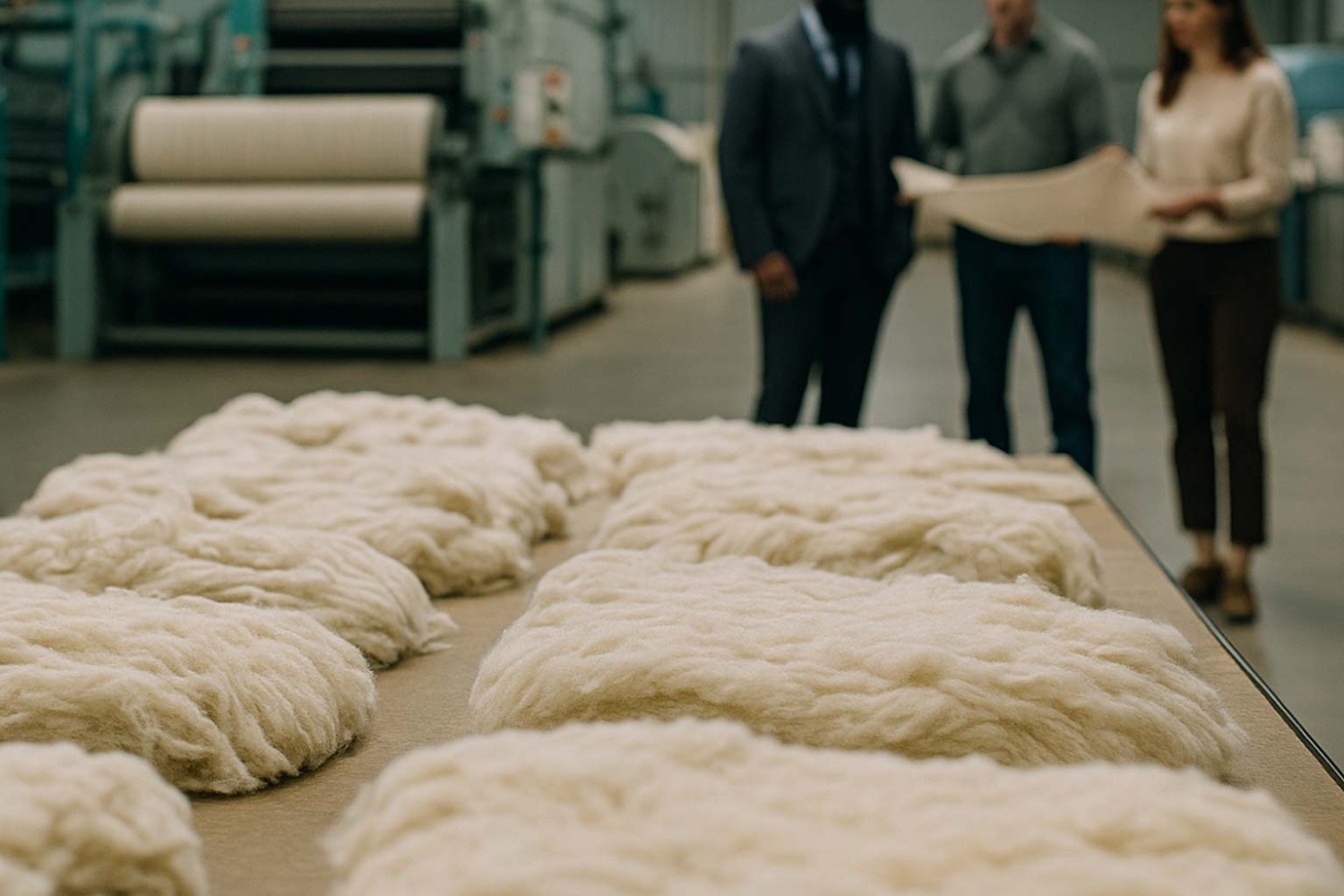
We made a few calls and matched their wool with a regional processor we knew was working on a new run of fine knitwear. The specs lined up, the delivery made sense, and—most importantly—the people got along. That grower and that processor have now done three seasons together. Quietly. Steadily. Successfully.

It’s not flashy. But it’s the kind of result we’re here for.

Why the Right Match Matters

Wool is not a one-size-fits-all fibre. A great clip in one mill’s eyes might not suit another’s machinery or end product. And the best processor in the country can’t work magic if they’re sent wool that doesn’t suit their spec.

That’s where we come in.

A good match saves time, reduces waste, and makes life easier on both ends. For growers, it means your hard work gets recognised and rewarded. For processors, it means consistency, reliability, and peace of mind.

We’re not chasing big headlines. We’re here to line up good wool with the right hands.

What We Look For (and What We Ask)

To make the right introductions, we need to understand both sides.

For Growers:

We take the time to look at:

  • Micron, length, style, and yield
  • How the wool’s been classed and prepared
  • What sort of volume you’re dealing with
  • Whether you’re open to building longer-term relationships

We’re not here to tell you how to run your farm—but we’ll always be honest about what’s likely to work and what might hold a deal back.

For Processors:

We ask:

  • What are your ideal specs and tolerances?
  • Are you open to direct-from-farm sourcing?
  • What does a reliable supply look like for you?
  • Are you after just a season’s worth, or something ongoing?

We know the mills that want things by the book, and the ones that are a little more flexible. Our job is to connect the dots.

When Things Get Tricky

Matching isn’t always smooth. Sometimes a clip looks right on paper but doesn’t perform. Sometimes freight or timing gets in the way. And sometimes, the personalities just don’t click.

We’ve learned that the best results come when expectations are clear from the start. That’s why we invest time up front, setting honest terms, sharing feedback, and keeping communication open.

It’s not about forcing a deal. It’s about finding one that sticks.

The Long Game

The truth is, the best wool deals aren’t really deals at all. They’re partnerships. They happen quietly, year after year, with a quick phone call and a handshake (or a nod on the back of a ute).

At Lana Trading, we’re proud of the matches we’ve made. Not just because the specs lined up, but because the people on both sides walked away feeling respected and looked after.

That’s what makes a good match. And that’s what keeps us doing what we do.

Got a clip coming up or a spec you’re trying to fill? Let’s have a yarn.

[Contact us] or give us a call — no pressure, just a straight-up conversation.
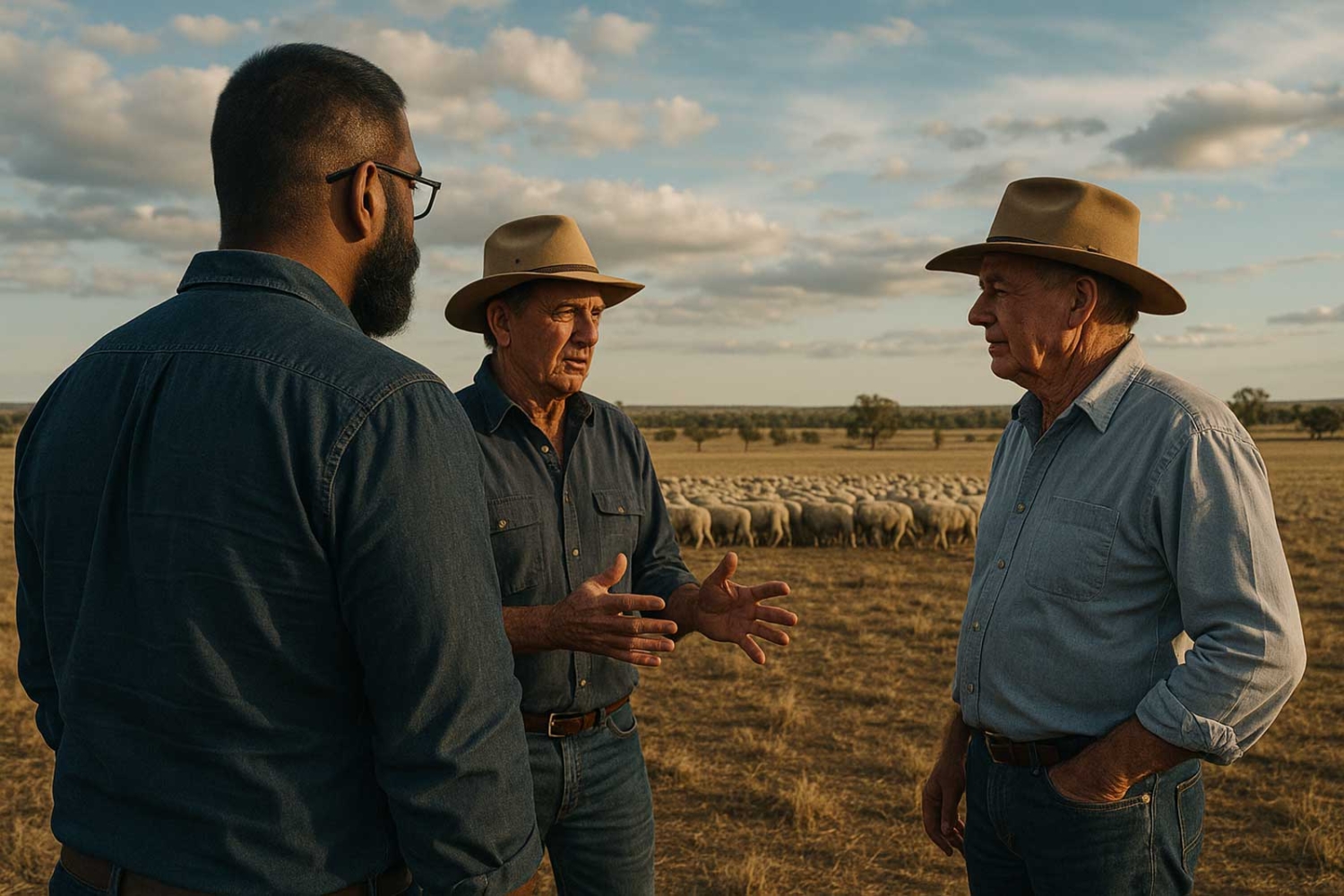
Finding the right Australian wool suppliers can be a daunting task, especially when your mill relies on consistent, high-quality fibre. Australian wool is renowned for its superior quality, but ensuring a steady supply that meets your specifications requires more than just a quick search. You need reliable partners who understand the intricacies of wool production and supply. According to the Australian Wool Innovation, the country produces some of the finest wool globally, making it a prime location for sourcing. But how do you navigate this vast market to find the right suppliers for your needs?

Understanding Your Wool Requirements

Before diving into the search for Australian wool suppliers, it’s crucial to have a clear understanding of your mill’s specific needs. Are you looking for Merino wool, known for its softness and fine fibres, or do you need a more robust type for industrial use? Identifying your requirements will help narrow down potential suppliers who specialise in the type of wool you need. Consider factors such as fibre diameter, staple length, and colour, as these will influence the quality and suitability of the wool for your products.

The Importance of a Reliable Supply Chain

A consistent supply chain is vital for any mill, and this is where a wool broker like Lana can make a significant difference. With established relationships with top Australian wool growers, Lana ensures that your specifications are met consistently. This network not only guarantees quality but also provides a buffer against market fluctuations and supply disruptions. By partnering with a broker, you gain access to a wealth of industry knowledge and a streamlined process that simplifies sourcing.

Building Long-Term Partnerships

In the wool industry, long-term partnerships are invaluable. They foster trust and ensure that both parties are committed to maintaining high standards. When selecting Australian wool suppliers, look for those who value transparency and sustainability. These qualities are essential for building a relationship that benefits both your mill and the growers. A good supplier will be open about their practices and willing to work with you to meet your specific needs.

Evaluating Supplier Credentials

Once you have a shortlist of potential suppliers, it’s time to evaluate their credentials. Look for suppliers who are members of reputable industry organisations, as this indicates a commitment to quality and ethical practices. Additionally, consider visiting their operations if possible. Seeing the production process firsthand can provide valuable insights into their capabilities and standards. Don’t hesitate to ask for references or testimonials from other mills they’ve worked with.

Leveraging Technology for Better Wool Sourcing

In today’s digital age, technology plays a crucial role in sourcing materials. Many Australian wool suppliers now offer online platforms where you can view their products and place orders. These platforms often include detailed information about the wool’s characteristics, making it easier to find exactly what you need. Additionally, using technology can streamline communication and logistics, ensuring a smoother supply chain.

The Role of Sustainability in Wool Sourcing

Sustainability is becoming increasingly important in the textile industry, and wool is no exception. When choosing Australian wool suppliers, consider their commitment to sustainable practices. This includes responsible land management, ethical treatment of animals, and reducing environmental impact. By prioritising sustainability, you not only contribute to a healthier planet but also appeal to environmentally conscious consumers.

Why Choose Lana as Your Wool Broker?

Lana stands out in the industry due to its deep-rooted connections with Australia’s top wool growers. Our expertise and commitment to quality ensure that your mill receives the best possible fibre. We understand the challenges you face and are here to help you navigate the complexities of the wool market. With Lana, you’re not just getting a supplier; you’re gaining a partner dedicated to your success.

Let’s have a yarn about how we can support your mill’s wool sourcing needs. Visit Lana Trading to connect with us today.

Navigating the world of Australian wool market prices can feel like deciphering a complex puzzle. For buyers like mills, processors, and ethical brands, understanding what influences these prices is crucial. The Australian wool industry is renowned for its high-quality fibre, but how do you ensure you’re getting the best value? Let’s dive into the factors affecting wool prices and how you can secure top-quality fibres with the help of an experienced wool broker like Lana. For a broader understanding of the wool industry, you might find this Wikipedia page on wool helpful.

What Influences Australian Wool Market Prices?

The price of wool is influenced by a myriad of factors. Understanding these can help you make informed purchasing decisions.

Supply and Demand Dynamics

Like any commodity, wool prices are heavily influenced by supply and demand. When the demand for wool increases, prices tend to rise. Conversely, if there’s an oversupply, prices may drop. Keeping an eye on market trends and forecasts can help you anticipate price changes.

Quality of Wool

Not all wool is created equal. The quality of wool, determined by factors such as fibre diameter, length, strength, and colour, plays a significant role in pricing. Finer, softer wool typically commands higher prices. Understanding these quality metrics can help you assess whether you’re paying a fair price.

Global Economic Conditions

The global economy can have a ripple effect on wool prices. Economic downturns can lead to reduced demand for luxury goods, including high-quality wool. Conversely, a booming economy might increase demand and drive prices up.

Currency Exchange Rates

Since wool is traded globally, exchange rates can impact prices. A weaker Australian dollar can make wool cheaper for overseas buyers, potentially increasing demand and prices.

Tips for Getting Top Quality Fibres at a Fair Price

Securing high-quality wool at a fair price doesn’t have to be a daunting task. Here are some tips to help you navigate the market effectively.

Work with an Experienced Wool Broker

Partnering with a knowledgeable wool broker like Lana can be a game-changer. Brokers have a deep understanding of the market and can provide valuable insights into pricing trends and quality assessments. They can also help you establish long-term relationships with trusted suppliers.

Stay Informed

Keeping up-to-date with market reports and industry news is essential. Subscribe to industry publications and attend trade shows to stay informed about the latest trends and developments in the wool market.

Understand Your Needs

Clearly define what you’re looking for in terms of wool quality and quantity. This will help you communicate effectively with suppliers and brokers, ensuring you get exactly what you need without overpaying.

Negotiate Wisely

Don’t be afraid to negotiate prices. Understanding the factors that influence wool prices can give you leverage in negotiations. Remember, it’s about finding a fair price that works for both parties.

Build Long-Term Relationships

Establishing long-term partnerships with suppliers and brokers can lead to better pricing and more consistent quality. Trust and transparency are key to these relationships, and they can provide stability in a fluctuating market.

The Role of Sustainability in Wool Pricing

Sustainability is becoming increasingly important in the wool industry. Consumers are demanding more transparency and ethical practices, which can influence wool prices.

Ethical Sourcing

Brands that prioritise ethical sourcing may be willing to pay a premium for wool that is certified as sustainable. This can drive up prices for high-quality, ethically sourced wool.

Environmental Impact

The environmental impact of wool production is under scrutiny. Sustainable practices, such as reducing water usage and minimising chemical inputs, can affect production costs and, consequently, prices.

Consumer Preferences

As consumers become more environmentally conscious, the demand for sustainable wool products is likely to increase. This shift in consumer preferences can influence market dynamics and pricing.

Let’s Have a Yarn

Understanding Australian wool market prices is essential for making informed purchasing decisions. By considering the factors that influence prices and following these tips, you can secure top-quality fibres at a fair price. If you’re ready to explore how Lana can help you navigate the wool market, let’s have a yarn. Our team is here to support you in building sustainable, long-term partnerships in the wool industry.

In the world of wool trading negotiation, getting the best price for your wool clip can often feel like navigating a maze. As a wool grower, you might find yourself wondering how to secure a deal that reflects the true value of your hard work. The traditional auction system, while familiar, often leaves growers with less than they deserve. But fear not, there are strategies and insights that can help you turn the tables in your favour. For a deeper understanding of the wool industry, you might find this Wikipedia page on wool helpful.

Understanding the Wool Market Dynamics

Before diving into the specifics of wool trading negotiation, it’s crucial to understand the market dynamics. The wool market is influenced by various factors, including global demand, quality of the fibre, and even geopolitical events. As a grower, staying informed about these trends can give you a competitive edge. For instance, did you know that the demand for sustainable and ethically sourced wool is on the rise? This trend can significantly impact the value of your wool clip.

Preparing for Successful Negotiations

Preparation is key in any negotiation, and wool trading is no exception. Here are some practical tips to ensure you’re ready to negotiate effectively:

  • Know Your Product: Understand the quality and characteristics of your wool. Is it fine or coarse? What is its staple length and strength? These factors can influence its market value.
  • Research Market Prices: Keep an eye on current market prices and trends. This knowledge will empower you to set realistic expectations and avoid underselling your wool.
  • Build Relationships: Establishing strong relationships with buyers and brokers can open doors to better deals. Trust and transparency are invaluable in this industry.

The Role of a Wool Broker

Ever wondered how a wool broker can assist you in wool trading negotiation? A seasoned broker, like Lana, acts as a bridge between you and the buyers, leveraging their expertise to secure the best possible deal. Here’s how they can help:

  • Market Insight: Brokers have their fingers on the pulse of the market. They can provide valuable insights into current trends and buyer preferences.
  • Negotiation Skills: With years of experience, brokers are skilled negotiators. They know how to present your wool in the best light and negotiate terms that benefit you.
  • Access to Buyers: Brokers have established networks of buyers, giving your wool exposure to a broader market.

Practical Tips from a Seasoned Broker

One of the biggest mistakes we see growers make is not knowing the true value of their wool. I always advise my clients to invest in proper testing and certification. It might seem like an extra cost at first, but it pays off in the long run.

Great communication is also key to successful negotiations. Keep the lines open with your broker. Share your goals and concerns. The more we know, the better we can represent you.

Building Long-Term Partnerships

In the wool industry, long-term partnerships can be more valuable than one-off transactions. By fostering relationships with buyers and brokers, you create a network of trust and reliability. This network can lead to consistent demand for your wool, even in fluctuating markets.

Embracing Sustainability

Sustainability isn’t just a buzzword; it’s a growing demand in the wool industry. Consumers and brands are increasingly seeking wool that is ethically sourced and environmentally friendly. By adopting sustainable practices, you not only contribute to a better planet but also enhance the marketability of your wool.

Lana Offers a Better Future For Your Wool

Navigating the world of wool trading negotiation doesn’t have to be daunting. With the right knowledge, preparation, and partnerships, you can secure deals that truly reflect the value of your wool. Remember, you’re not alone in this journey. A trusted broker can be your greatest ally, guiding you through the complexities of the market.

Ready to take the next step? Let’s have a yarn about how we can help you achieve your wool trading goals. Contact us today.

David Mahilraj
Let's Chat!
Online