Tag Archive for: sustainable wool

When you hear the term “ethical wool,” what comes to mind? For many, it might sound like just another marketing buzzword. However, ethical wool is much more than a catchy phrase. It’s a commitment to sustainable practices, animal welfare, and community support. But what does it really mean to source ethical wool from Australian wool growers? In this article, we will unravel this concept together.

Understanding Ethical Wool

Ethical wool is about ensuring that the wool you use or produce adheres to high standards of sustainability and animal welfare. It’s not just about the end product but the entire process—from the way sheep are treated to how the land is managed. This holistic approach ensures that every step respects both the environment and the animals involved.

The Importance of Certifications

Certifications play a crucial role in verifying the ethical standards of wool. They provide a framework that wool growers and processors must adhere to, ensuring transparency and trust. Some of the most recognised certifications include:

  • Responsible Wool Standard (RWS): This certification ensures that wool comes from farms with a progressive approach to managing their land and a commitment to animal welfare.
  • ZQ Merino Standard: Focused on New Zealand Merino wool, this standard emphasises animal welfare, environmental sustainability, and social responsibility.
  • Global Organic Textile Standard (GOTS): While not exclusive to wool, GOTS ensures that textiles meet organic standards throughout the supply chain.

These certifications are more than just labels; they are a testament to the commitment to ethical practices.

Animal Welfare: More Than Just a Trend

Animal welfare is at the heart of ethical wool production. It’s about ensuring that sheep are treated with respect and care throughout their lives. This includes:

  • Providing adequate space and access to pasture.
  • Ensuring proper nutrition and veterinary care.
  • Avoiding harmful practices like mulesing, which is often a concern in wool production.

When sourcing wool, look for producers who prioritise these aspects. It’s not just about feeling good; it’s about doing good.

Sustainable Farming Practices

Sustainable farming is another pillar of ethical wool. It involves managing land in a way that maintains its health and productivity for future generations. Key practices include:

  • Rotational Grazing: This helps prevent overgrazing and maintains soil health.
  • Biodiversity Conservation: Encouraging a variety of plant and animal life on farms supports ecosystem health.
  • Water Management: Efficient use of water resources is crucial, especially in regions prone to drought.

These practices not only benefit the environment but also enhance the quality of the wool produced.

Debunking Myths About Ethical Wool

There are several myths surrounding ethical wool that need debunking. One common misconception is that ethical wool is always more expensive. While it can be pricier due to the higher standards involved, the long-term benefits—such as improved animal welfare and environmental sustainability—often outweigh the costs.

Another myth is that ethical wool is hard to find. With growing consumer demand, more brands and producers are committing to ethical practices, making it easier than ever to source ethical wool.

What to Look for When Sourcing Ethical Wool

When you’re on the hunt for ethical wool, keep an eye out for:

  • Certifications: As mentioned earlier, certifications like RWS and GOTS are good indicators of ethical practices.
  • Transparency: Look for brands and producers who are open about their sourcing and production processes.
  • Community Engagement: Ethical wool producers often engage with local communities, supporting local economies and fostering sustainable practices.

By prioritising these factors, you can ensure that the wool you choose aligns with your values.

How Verified Standards Protect Animals, Land, and Communities

Verified standards are not just about ticking boxes; they’re about making a real difference. They protect animals by ensuring humane treatment, safeguard land through sustainable farming practices, and support communities by fostering fair trade and economic growth. By choosing wool that meets these standards, you’re contributing to a better world.

So, next time you’re considering wool products, think about the story behind the fibre. Ethical wool is more than just a trend—it’s a movement towards a more sustainable and compassionate future. Want to learn more about how you can make a difference with ethical wool? Let’s have a yarn and explore how Lana can support your journey towards sustainability.
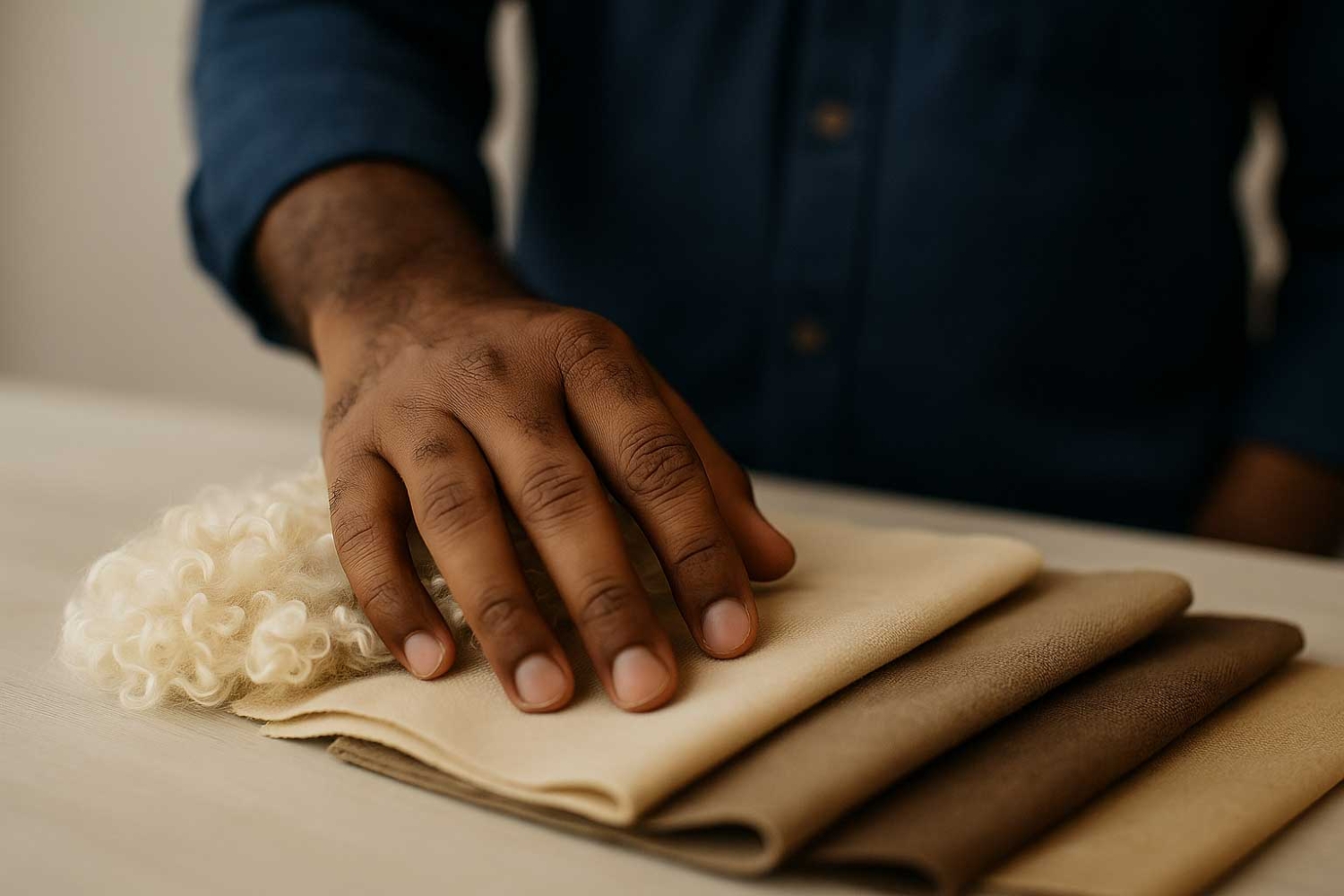
In the world of textiles, sustainable wool is making waves as a champion of eco-friendly fashion. But what does it really mean for you, the Australian wool grower, processor, or brand? Sustainable wool isn’t just a buzzword—it’s a commitment to quality, transparency, and long-term partnerships. As the demand for sustainable practices grows, understanding its impact on your business is crucial. For a deeper dive into sustainable practices, you might find this Wikipedia page on sustainable fashion helpful.

Understanding Sustainable Wool

Sustainable wool is all about responsible production. It involves practices that protect the environment, ensure animal welfare, and support the livelihoods of those in the wool industry. But why should you care? Well, consumers are increasingly looking for products that align with their values. By embracing sustainable wool, you’re not just meeting market demand—you’re also contributing to a healthier planet.

The Benefits of Sustainable Wool for Growers

As a wool grower, you might wonder how sustainable practices can benefit you. Firstly, sustainable wool farming often leads to healthier sheep and better-quality wool. This means higher yields and potentially higher profits. Additionally, sustainable practices can reduce costs in the long run by minimising waste and improving resource efficiency. Ever tried reducing your water usage? It’s a game-changer!

Moreover, by adopting sustainable practices, you position yourself as a leader in the industry. This can open doors to new markets and partnerships with brands that prioritise sustainability. It’s not just about doing good—it’s about doing well, too.

Processors: Enhancing Quality and Efficiency

For wool processors, sustainability means enhancing quality and efficiency. By implementing eco-friendly processes, you can reduce energy consumption and waste. This not only lowers your operational costs but also improves the quality of the wool you produce. And let’s face it, who doesn’t want to save a few dollars while doing their bit for the planet?

Sustainable processing also involves transparency. Consumers want to know where their products come from and how they’re made. By providing clear information about your processes, you build trust with your customers. This transparency can be a powerful marketing tool, setting you apart from competitors.

Brands: Meeting Consumer Demand

If you’re a brand, sustainable wool offers a unique selling point. Today’s consumers are more informed and conscious about their purchases. They want products that are not only high-quality but also ethically produced. By using sustainable wool, you meet this demand head-on.

But it’s not just about meeting demand—it’s about creating a brand story that resonates with your audience. Sharing your commitment to sustainability can foster a deeper connection with your customers. It shows that you care about more than just profits; you care about the planet and the people on it.

Building Long-Term Partnerships

Sustainability isn’t a solo journey—it’s a collaborative effort. By working together, growers, processors, and brands can create a more sustainable wool industry. This means building long-term partnerships based on trust and shared values. And let’s be honest, isn’t it more fun to work with people who share your vision?

These partnerships can lead to innovative solutions and new opportunities. Whether it’s developing new products or exploring new markets, collaboration is key. So, how can you start building these partnerships? It begins with open communication and a commitment to shared goals.

Overcoming Challenges

Of course, transitioning to sustainable practices isn’t without its challenges. It requires investment, both in terms of time and resources. But the benefits far outweigh the costs. By taking the leap, you’re not just future-proofing your business—you’re also contributing to a more sustainable future for everyone.

And remember, you’re not alone. There are plenty of resources and organisations ready to support you on this journey. Whether it’s through funding, training, or networking opportunities, help is available. So, what are you waiting for?

Let’s Have a Yarn

Ready to explore the world of sustainable wool and see how it can transform your business? At Lana, we’re passionate about supporting the wool industry and fostering sustainable practices. Whether you’re a grower, processor, or brand, we’re here to help you navigate the journey towards sustainability. Let’s have a yarn and see how we can work together to create a brighter future for the wool industry.

Great wool doesn’t come from luck. It’s the result of thoughtful choices, season after season. At Lana Trading, we’ve worked with growers across Australia, and we’ve seen firsthand the care that goes into producing quality wool.

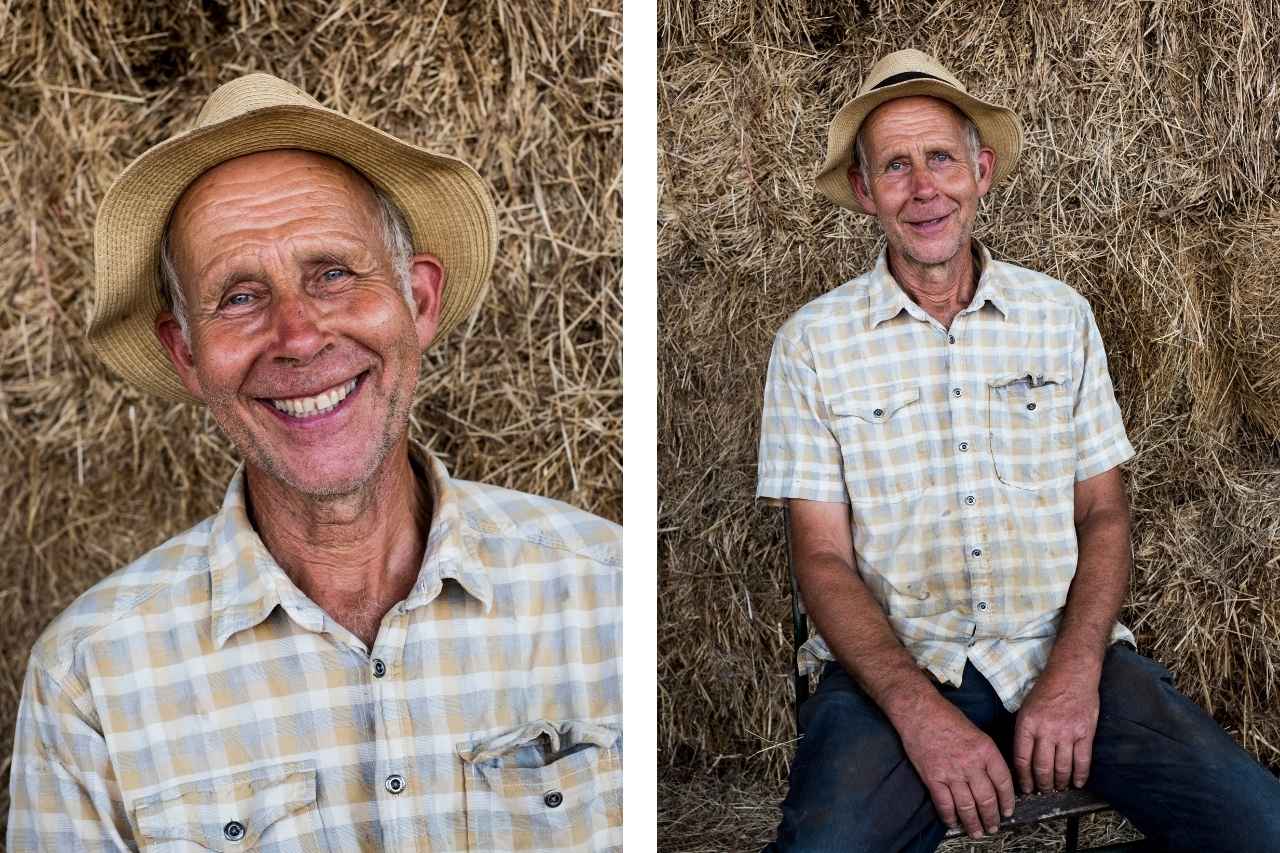
To bring these insights to life, we sat down with one of our long-time growers, Graham, who runs a mixed grazing property in Victoria. He’s been raising sheep for over 25 years, and his wool consistently meets the high standards sought by mills and brands.

Here’s what Graham, and many like him, say makes great wool.

Fibre Quality Starts on the Farm

The right traits make all the difference.

“We keep an eye on crimp, staple strength, and uniformity. That’s what processors look for, and it’s what helps our wool stand out.”

Fibre diameter (micron) is important, but it’s not the only factor. Crimp adds softness and elasticity. Staple strength reduces breakage during processing. Consistency across the fleece ensures better yields for the buyer. These aren’t just buzzwords, they’re markers of good breeding, good nutrition, and careful animal management.

Genetics, Feed and Stress Management

Healthier sheep mean better wool.

“If the sheep are stressed or not getting the right nutrition, it shows in the wool. You’ll see it in the breaks and the variation.”

Good pasture management, supplementary feed when needed, and keeping an eye on animal health all contribute to fleece quality. Regular monitoring of condition scores helps ensure sheep are not over- or under-fed, and reduces seasonal stress that can compromise fibre strength.

Animal Welfare and Certification

More buyers are asking questions.

“We moved away from mulesing a few years back,” Graham shares. “At first, I was sceptical, but the market told us loud and clear that it matters.”

With growing interest in traceable and ethical wool, many growers are shifting toward non-mulesed and certified practices. While not every grower makes this choice, those who do often find their wool opens doors to new buyers and long-term relationships. It’s not just about ticking a box, it’s about aligning with what today’s market expects.

What makes great wool? Graham, a wool grower in Victoria, Australia, has the answers - Lana Sustainable Wool Solutions

Graham, a wool grower in Victoria, has been raising sheep on his family farm for over 25 years.

Classing and Consistency

Classing well pays off.

“We make sure our clip tells a clear story,” Graham explains. “Uniform lines, no contamination, and clean documentation. That’s what buyers want.”

Proper classing isn’t just about neat bales, it’s about protecting the value of the wool clip. Classing improves presentation, processing efficiency, and traceability. Graham’s approach includes working closely with his wool classer and maintaining clear records, year after year.

The Role of Feedback Loops

A grower-processor connection makes a difference.

“Knowing where your wool goes and how it performs helps you plan better. You don’t get that in a traditional auction.”

Having access to feedback, whether through mill visits, processor comments, or performance reports, helps growers refine their flock and their shearing strategy. It turns wool-growing into a two-way conversation, rather than a one-way sale.

Preparing for the Future

Wool is still a craft, and it’s evolving.

“I want to leave something solid for my kids. That means staying open to change but sticking to the values that matter.”

Graham sees wool growing as both an art and a business. Markets are shifting, climate conditions are changing, and the next generation of growers need better support and smarter tools. He believes sustainability isn’t just about certifications, it’s about financial resilience, environmental care, and building relationships that last.

At Lana, We See What Goes Into Great Wool

We believe growers like Graham deserve more than a transactional relationship. That’s why we work directly with processors and brands to match Australia’s finest wool with buyers who truly value it.

If you’re a grower looking to build long-term relationships, receive feedback, and get support tailored to your wool and your goals, we’d love to hear from you.

Start the conversation with our team

As a brand, what you stand for matters and your raw materials should reflect that. Whether you’re designing knitwear, outerwear, or sustainable basics, to source Australian wool that matches your brand’s values is about more than just quality. It’s about traceability, ethics, and building long-term supplier relationships you can count on.

At Lana, we work with forward-thinking brands every day who are looking for wool that’s not only premium, but also responsibly grown, transparently sourced, and tailored to their unique product needs. Here’s what we’ve learnt and how you can start sourcing better wool, the smarter way.

Why Source Australian Wool?

Australia produces over 80% of the world’s fine apparel wool, and it’s globally recognised for its quality, consistency and performance. But not all wool is created equal—and not all of it aligns with the modern consumer’s expectations.

Standout Quality

Australian Merino is prized for its softness, breathability and natural elasticity. Perfect for everything from luxury knitwear to high-performance activewear.

Scalable and Reliable Supply

With an established network of growers and industry infrastructure, Australia offers dependable access to large volumes of wool with consistent specifications.

Strong Sustainability Credentials

Many Australian farms are adopting responsible practices like rotational grazing and low-impact shearing. Certifications such as RWS (Responsible Wool Standard) and Authentico are becoming more common, helping brands meet their ESG goals.

What Today’s Consumers Expect

Your customers want to know more than just where something was made. They want to know how it was made—and what impact it had along the way.

  • Ethical sourcing: Was the wool produced on non-mulesed farms? Are animal welfare and worker conditions prioritised?
  • Traceability: Can the fibre be traced back to the farm? Is the supply chain transparent and auditable?
  • Environmental impact: What are the land and carbon practices behind the wool?

Brands that can confidently answer these questions will stand out—and win trust in competitive markets.

How to Source Australian Wool That Aligns With Your Brand

Sourcing wool isn’t just about finding the right fibre, it’s about finding the right fit for your brand’s values, your product needs, and your customers’ expectations. The good news is, it’s possible to have all three. Here’s how to approach your sourcing strategy with clarity, confidence and care.

1. Define What Matters Most

Start by clarifying your non-negotiables. Is it fibre diameter? Farm certifications? Carbon footprint? Clear priorities will help you source wool that fits your values and product goals.

2. Go Beyond the Auction

While Australia’s open-cry wool auction system is long established, it doesn’t always offer the visibility or flexibility brands need. Private sourcing channels, like Lana’s direct-to-grower partnerships, allow for deeper insight, tailored specifications, and long-term supplier alignment.

3. Ask for Proof

Insist on documentation and third-party certifications when needed. Reliable brokers will be transparent about the source, testing, and farm practices behind the wool they recommend.

4. Choose a Broker That Gets It

You want more than just a supplier, you want a sourcing partner. Lana works with directly growers, processors and brands to match wool that’s fit for purpose, values-aligned, and forward-thinking. We speak both languages, farm and fashion, and help you bridge the gap with clarity and care.

Working With Lana

We help brands like yours access premium Australian wool with confidence. From high-end fashion labels to outdoor gear makers, we work behind the scenes to connect you with wool that fits your specs, your timelines, and your values.

When you work with Lana, you get:

  • Transparent sourcing and direct farm relationships
  • Wool matched to your exact technical requirements
  • Support navigating certifications and sustainability goals
  • Ongoing advice from a team that understands both the land and the end product

Start the Conversation

If you’re ready to source Australian wool that reflects your brand’s values and connects you directly with the people who grow it, let’s talk. We’ll listen first, then help you find the right fit, without the guesswork.

Contact the Lana team today and let’s build something great together.

David Mahilraj
Let's Chat!
Online