
Tag Archive for: Wool Industry Sustainability

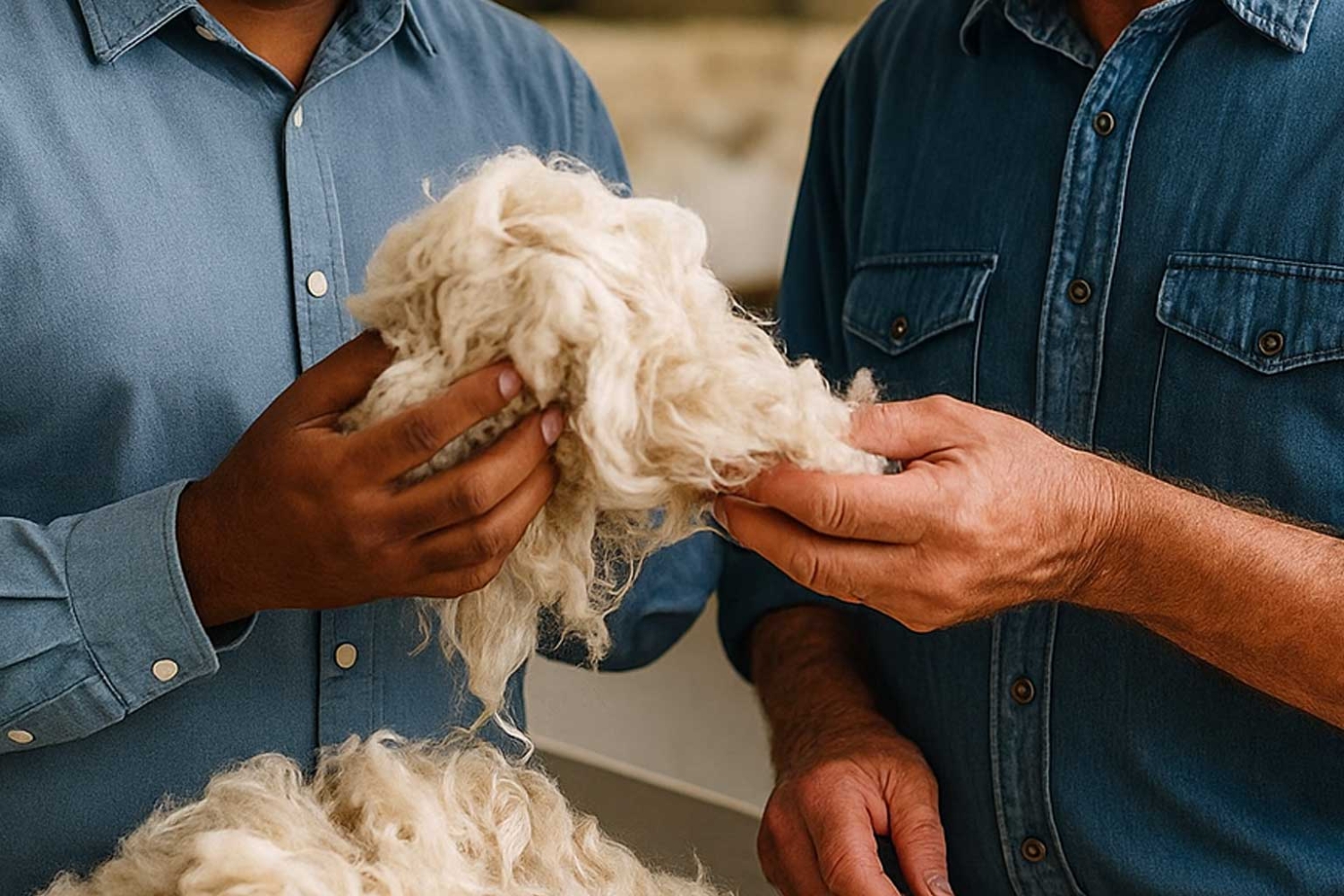
When you hear the term “ethical wool,” what comes to mind? For many, it might sound like just another marketing buzzword. However, ethical wool is much more than a catchy phrase. It’s a commitment to sustainable practices, animal welfare, and community support. But what does it really mean to source ethical wool from Australian wool growers? In this article, we will unravel this concept together.

Understanding Ethical Wool

Ethical wool is about ensuring that the wool you use or produce adheres to high standards of sustainability and animal welfare. It’s not just about the end product but the entire process—from the way sheep are treated to how the land is managed. This holistic approach ensures that every step respects both the environment and the animals involved.

The Importance of Certifications

Certifications play a crucial role in verifying the ethical standards of wool. They provide a framework that wool growers and processors must adhere to, ensuring transparency and trust. Some of the most recognised certifications include:

  • Responsible Wool Standard (RWS): This certification ensures that wool comes from farms with a progressive approach to managing their land and a commitment to animal welfare.
  • ZQ Merino Standard: Focused on New Zealand Merino wool, this standard emphasises animal welfare, environmental sustainability, and social responsibility.
  • Global Organic Textile Standard (GOTS): While not exclusive to wool, GOTS ensures that textiles meet organic standards throughout the supply chain.

These certifications are more than just labels; they are a testament to the commitment to ethical practices.

Animal Welfare: More Than Just a Trend

Animal welfare is at the heart of ethical wool production. It’s about ensuring that sheep are treated with respect and care throughout their lives. This includes:

  • Providing adequate space and access to pasture.
  • Ensuring proper nutrition and veterinary care.
  • Avoiding harmful practices like mulesing, which is often a concern in wool production.

When sourcing wool, look for producers who prioritise these aspects. It’s not just about feeling good; it’s about doing good.

Sustainable Farming Practices

Sustainable farming is another pillar of ethical wool. It involves managing land in a way that maintains its health and productivity for future generations. Key practices include:

  • Rotational Grazing: This helps prevent overgrazing and maintains soil health.
  • Biodiversity Conservation: Encouraging a variety of plant and animal life on farms supports ecosystem health.
  • Water Management: Efficient use of water resources is crucial, especially in regions prone to drought.

These practices not only benefit the environment but also enhance the quality of the wool produced.

Debunking Myths About Ethical Wool

There are several myths surrounding ethical wool that need debunking. One common misconception is that ethical wool is always more expensive. While it can be pricier due to the higher standards involved, the long-term benefits—such as improved animal welfare and environmental sustainability—often outweigh the costs.

Another myth is that ethical wool is hard to find. With growing consumer demand, more brands and producers are committing to ethical practices, making it easier than ever to source ethical wool.

What to Look for When Sourcing Ethical Wool

When you’re on the hunt for ethical wool, keep an eye out for:

  • Certifications: As mentioned earlier, certifications like RWS and GOTS are good indicators of ethical practices.
  • Transparency: Look for brands and producers who are open about their sourcing and production processes.
  • Community Engagement: Ethical wool producers often engage with local communities, supporting local economies and fostering sustainable practices.

By prioritising these factors, you can ensure that the wool you choose aligns with your values.

How Verified Standards Protect Animals, Land, and Communities

Verified standards are not just about ticking boxes; they’re about making a real difference. They protect animals by ensuring humane treatment, safeguard land through sustainable farming practices, and support communities by fostering fair trade and economic growth. By choosing wool that meets these standards, you’re contributing to a better world.

So, next time you’re considering wool products, think about the story behind the fibre. Ethical wool is more than just a trend—it’s a movement towards a more sustainable and compassionate future. Want to learn more about how you can make a difference with ethical wool? Let’s have a yarn and explore how Lana can support your journey towards sustainability.
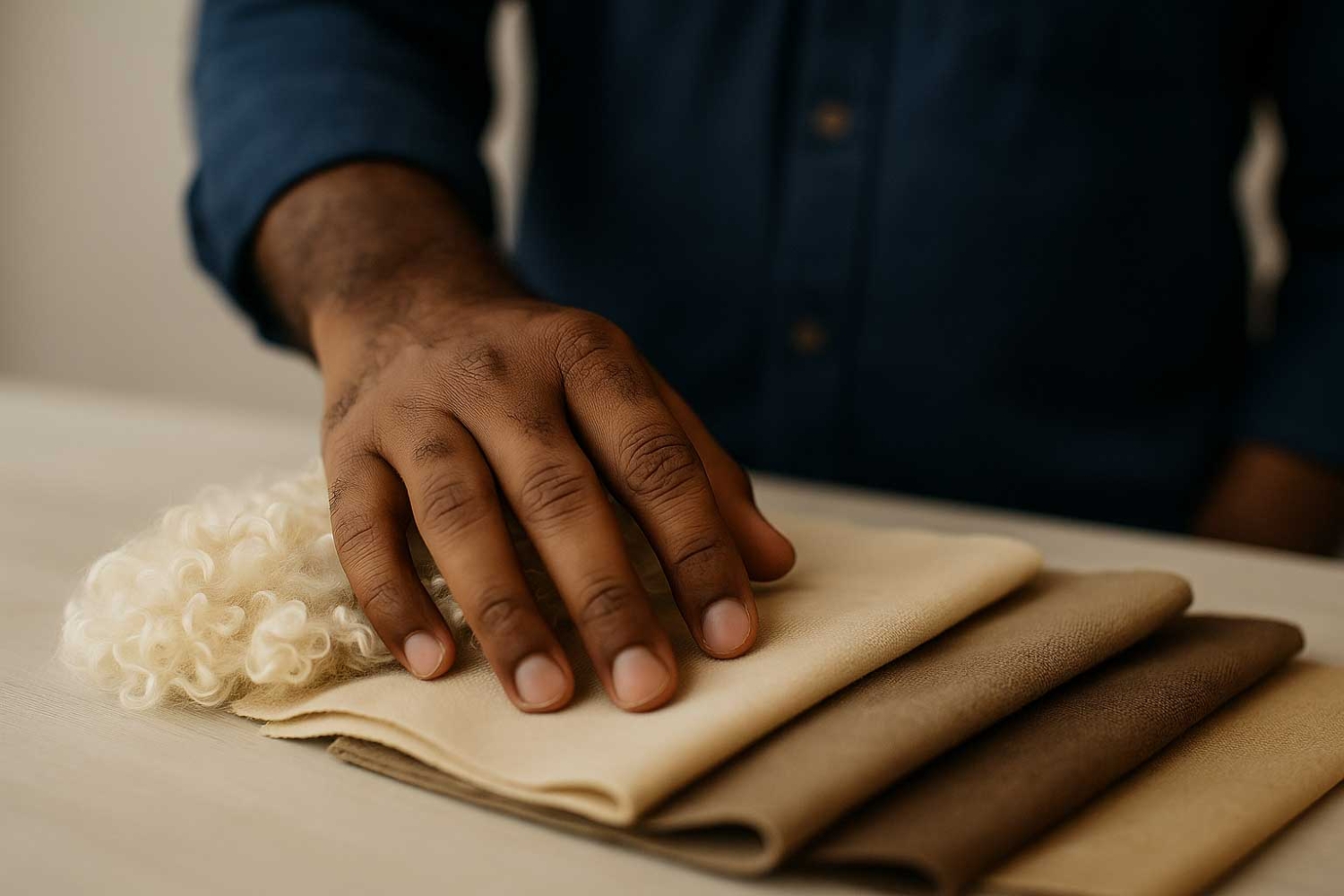
In the world of textiles, sustainable wool is making waves as a champion of eco-friendly fashion. But what does it really mean for you, the Australian wool grower, processor, or brand? Sustainable wool isn’t just a buzzword—it’s a commitment to quality, transparency, and long-term partnerships. As the demand for sustainable practices grows, understanding its impact on your business is crucial. For a deeper dive into sustainable practices, you might find this Wikipedia page on sustainable fashion helpful.

Understanding Sustainable Wool

Sustainable wool is all about responsible production. It involves practices that protect the environment, ensure animal welfare, and support the livelihoods of those in the wool industry. But why should you care? Well, consumers are increasingly looking for products that align with their values. By embracing sustainable wool, you’re not just meeting market demand—you’re also contributing to a healthier planet.

The Benefits of Sustainable Wool for Growers

As a wool grower, you might wonder how sustainable practices can benefit you. Firstly, sustainable wool farming often leads to healthier sheep and better-quality wool. This means higher yields and potentially higher profits. Additionally, sustainable practices can reduce costs in the long run by minimising waste and improving resource efficiency. Ever tried reducing your water usage? It’s a game-changer!

Moreover, by adopting sustainable practices, you position yourself as a leader in the industry. This can open doors to new markets and partnerships with brands that prioritise sustainability. It’s not just about doing good—it’s about doing well, too.

Processors: Enhancing Quality and Efficiency

For wool processors, sustainability means enhancing quality and efficiency. By implementing eco-friendly processes, you can reduce energy consumption and waste. This not only lowers your operational costs but also improves the quality of the wool you produce. And let’s face it, who doesn’t want to save a few dollars while doing their bit for the planet?

Sustainable processing also involves transparency. Consumers want to know where their products come from and how they’re made. By providing clear information about your processes, you build trust with your customers. This transparency can be a powerful marketing tool, setting you apart from competitors.

Brands: Meeting Consumer Demand

If you’re a brand, sustainable wool offers a unique selling point. Today’s consumers are more informed and conscious about their purchases. They want products that are not only high-quality but also ethically produced. By using sustainable wool, you meet this demand head-on.

But it’s not just about meeting demand—it’s about creating a brand story that resonates with your audience. Sharing your commitment to sustainability can foster a deeper connection with your customers. It shows that you care about more than just profits; you care about the planet and the people on it.

Building Long-Term Partnerships

Sustainability isn’t a solo journey—it’s a collaborative effort. By working together, growers, processors, and brands can create a more sustainable wool industry. This means building long-term partnerships based on trust and shared values. And let’s be honest, isn’t it more fun to work with people who share your vision?

These partnerships can lead to innovative solutions and new opportunities. Whether it’s developing new products or exploring new markets, collaboration is key. So, how can you start building these partnerships? It begins with open communication and a commitment to shared goals.

Overcoming Challenges

Of course, transitioning to sustainable practices isn’t without its challenges. It requires investment, both in terms of time and resources. But the benefits far outweigh the costs. By taking the leap, you’re not just future-proofing your business—you’re also contributing to a more sustainable future for everyone.

And remember, you’re not alone. There are plenty of resources and organisations ready to support you on this journey. Whether it’s through funding, training, or networking opportunities, help is available. So, what are you waiting for?

Let’s Have a Yarn

Ready to explore the world of sustainable wool and see how it can transform your business? At Lana, we’re passionate about supporting the wool industry and fostering sustainable practices. Whether you’re a grower, processor, or brand, we’re here to help you navigate the journey towards sustainability. Let’s have a yarn and see how we can work together to create a brighter future for the wool industry.

The wool industry is a fascinating sector, rich with history and brimming with opportunities. Careers in the wool industry are not just about farming; they encompass a wide range of roles from processing to marketing. If you’re passionate about sustainable practices and high-quality fibres, this industry might just be your calling. For those interested in the broader agricultural sector, the Australian Wool Innovation website offers a wealth of resources and insights into the wool industry.

The Diverse Roles in the Wool Industry

When you think of the wool industry, you might picture vast fields of sheep grazing under the Australian sun. While this is a part of it, the industry is much more diverse. Careers in the wool industry range from hands-on roles like shearing and wool classing to more technical positions in processing and quality control. There are also opportunities in sales, marketing, and supply chain management. Each role plays a crucial part in bringing high-quality wool products to market.

Wool Growers and Shearers

At the heart of the industry are the wool growers and shearers. These individuals work tirelessly to ensure the health and well-being of their flocks. Wool growers focus on breeding and raising sheep, while shearers are skilled in the art of removing the fleece. It’s a physically demanding job, but one that is essential to the industry.

Processors and Quality Controllers

Once the wool is shorn, it moves on to processing. This is where the wool is cleaned, carded, and spun into yarn. Processors and quality controllers ensure that the wool meets industry standards. They play a vital role in maintaining the reputation of Australian wool as a premium product.

The Importance of Sustainable Practices

Sustainability is a growing concern across all industries, and the wool sector is no exception. Careers in the wool industry increasingly focus on sustainable practices. From ethical farming techniques to eco-friendly processing methods, there’s a strong push towards reducing the environmental impact. This shift not only benefits the planet but also appeals to consumers who value transparency and sustainability.

Ethical Farming and Animal Welfare

Ethical farming is a cornerstone of sustainable practices in the wool industry. Wool growers are adopting methods that ensure the welfare of their sheep and the health of the land. This includes rotational grazing, organic farming, and other techniques that promote biodiversity.

Eco-Friendly Processing

In the processing stage, there’s a move towards reducing water usage and chemical treatments. Innovations in technology are helping processors achieve these goals, making careers in this area both challenging and rewarding.

Building Long-Term Partnerships

One of the most rewarding aspects of careers in the wool industry is the opportunity to build long-term partnerships. Whether you’re interested in working with a wool grower, a processing facility, or with a brand directly, relationships are key. The industry thrives on collaboration and mutual respect, creating a community that supports each other.

Collaborating with Brands

For those in sales and marketing, working with brands that value high-quality fibre and sustainable practices is a fulfilling experience. These partnerships are built on trust and a shared commitment to excellence.

Engaging with Consumers

Engaging with consumers is another important aspect of the industry. Educating them about the benefits of wool and the efforts made towards sustainability helps build brand loyalty and trust.

Overcoming Challenges in the Wool Industry

Like any industry, the wool sector faces its share of challenges. From fluctuating market prices to climate change, professionals in the industry must be adaptable and forward-thinking. However, these challenges also present opportunities for innovation and growth.

Adapting to Market Changes

Market fluctuations can be unpredictable, but they also drive innovation. Careers in the wool industry require a keen understanding of market trends and consumer demands. This knowledge helps professionals navigate changes and seize new opportunities.

Addressing Climate Change

Climate change is a significant concern for wool growers. Adapting farming practices to mitigate its effects is crucial. This includes everything from water management to breeding sheep that are more resilient to changing weather patterns.

If you’re passionate about sustainability, high-quality fibres, and building meaningful partnerships, a career in the wool industry might be for you. Whether you’re just starting out or looking to make a change, there’s a place for you in this dynamic sector.

David Mahilraj
Let's Chat!
Online