
 Lana Trading
Preparing your wool clip for market is no small feat. It requires attention to detail, a keen understanding of industry standards, and a commitment to quality. In this wool clip preparation guide, we’ll explore best practices for classing, skirting, and storage. By following these tips, you can improve the quality of your wool, meet buyer specifications, reduce waste, and maximise returns. Ready to dive in? Let’s get started.
Understanding Wool Classing
Wool classing is the foundation of a successful wool clip. It involves sorting wool into different categories based on quality, length, and other characteristics. This process ensures that your wool meets the specific needs of buyers and processors. According to the Australian Wool Exchange, classing is crucial for maintaining the integrity of the wool supply chain. Learn more about wool classing here.
The Importance of Skirting
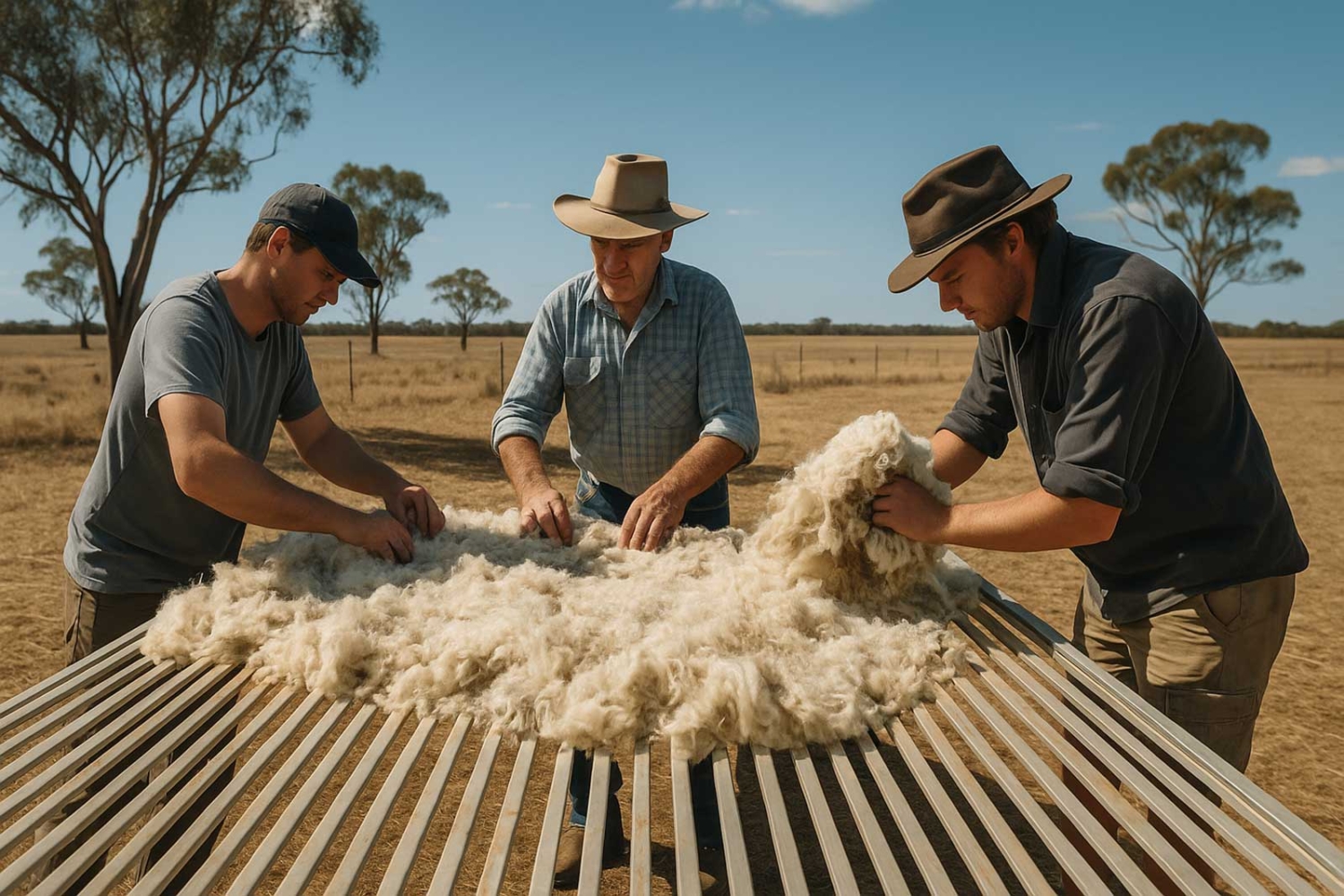
Skirting is the process of removing inferior or contaminated wool from the fleece. This step is essential for presenting a clean and uniform product to buyers. When skirting, focus on removing wool that is stained, short, or contains vegetable matter. This not only enhances the overall quality of your clip but also increases its market value. Remember, a well-skirted fleece is more attractive to top processors and brands.
Optimising Wool Storage
Proper storage is key to preserving the quality of your wool clip. Wool should be stored in a clean, dry environment to prevent contamination and deterioration. Use wool packs or bins that allow for adequate ventilation, and avoid stacking wool too high to prevent compression. Regularly inspect your storage area for pests and moisture, as these can significantly impact wool quality.
Meeting Buyer Specifications
Understanding and meeting buyer specifications is crucial for maximising returns on your wool clip. Each buyer may have different requirements regarding fibre length, strength, and cleanliness. Stay informed about industry trends and communicate with buyers to ensure your wool meets their needs. This proactive approach can lead to long-term partnerships and increased demand for your product.
Reducing Waste in Wool Preparation
Reducing waste is not only environmentally responsible but also economically beneficial. By minimising waste during wool preparation, you can increase the yield and quality of your clip. Implement efficient classing and skirting practices, and consider recycling or repurposing waste wool. This can lead to cost savings and a more sustainable operation.
Maximising Returns on Your Wool Clip
To maximise returns, focus on producing a high-quality product that meets market demands. Invest in training and resources to improve your wool preparation skills, and stay updated on industry developments. Building strong relationships with buyers and processors can also lead to better pricing and opportunities for your wool.
Ensuring Your Clip is Market-Ready
A market-ready wool clip is one that is clean, well-classed, and meets buyer specifications. Regularly review your preparation processes and seek feedback from industry experts to identify areas for improvement. By consistently delivering a high-quality product, you can establish your reputation as a trusted supplier in the wool industry.
Ready to take your wool clip preparation to the next level?
We hope you found this wool clip preparation guide helpful. At Lana, we’re passionate about helping Australian wool growers succeed. Let’s have a yarn and explore how we can support your journey to producing top-quality wool.